Digging into the Details

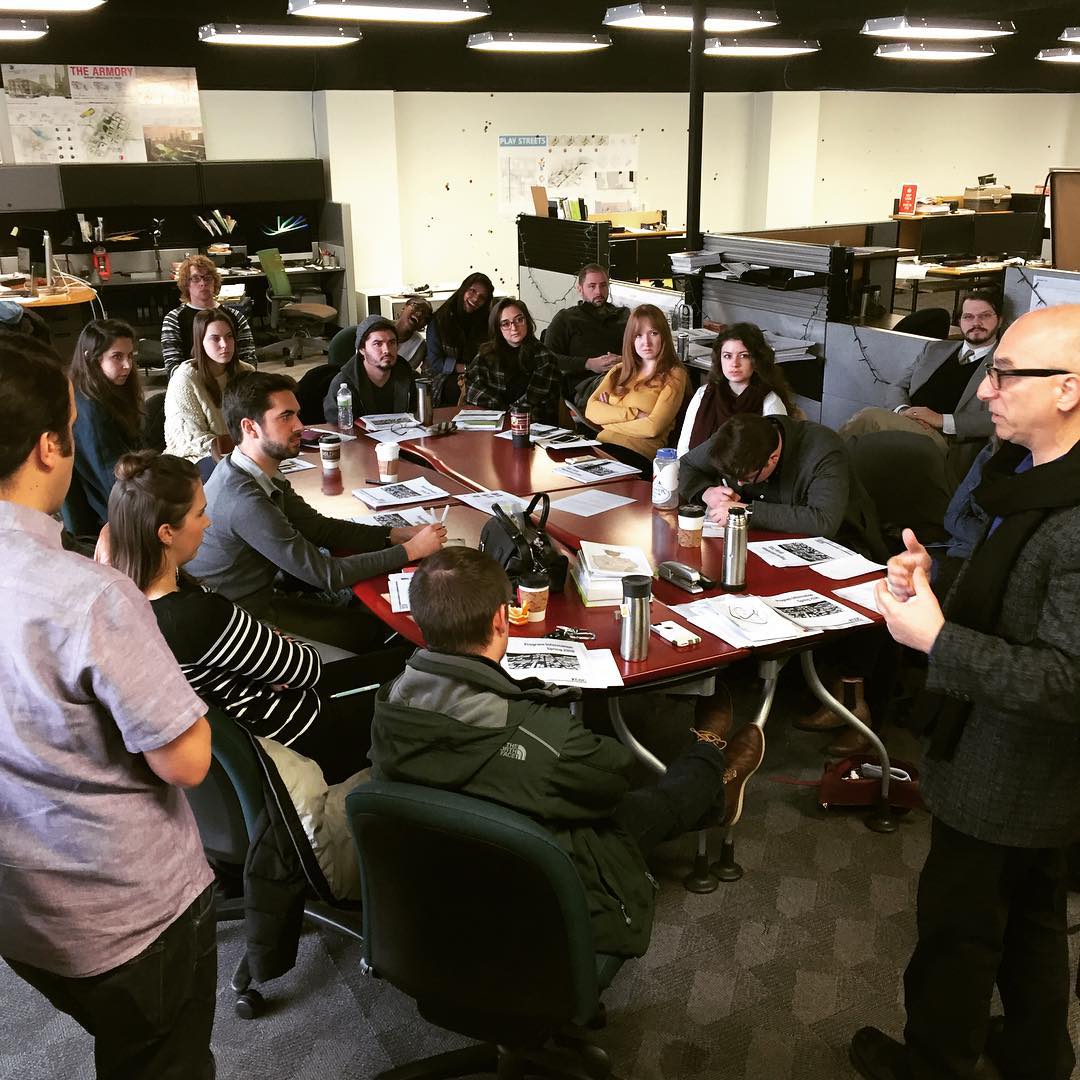
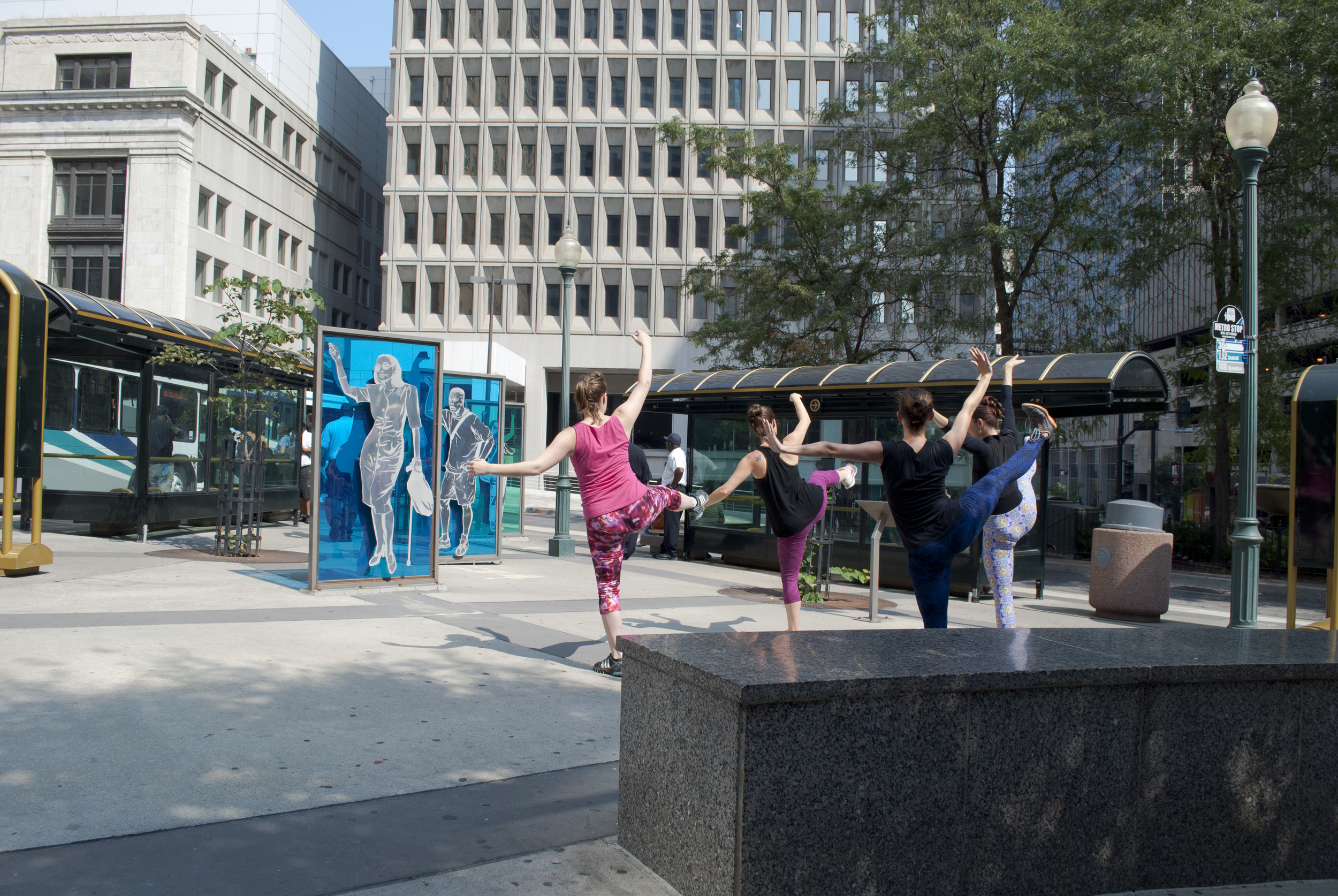
We’ve had a pretty busy week as we got into both the Art in the Loop project and the Recycling project. Art in the Loop is a foundation within the Downtown Council that works on bringing into the public realm in the Downtown Loop. So, KCDC’s role is in creating a strategic masterplan for the placement of art in the Loop. This week, we had our first meeting with the advisory council where we introduced the project and talked about our plans for the study then asked for feedback. We started with a base inventory of parks and plazas, vacant spaces, and surface parking lots. However, as we spoke with some of the advisory council, we got some interesting perspectives on how we should think about public art. For example, one member asked us to think about the perspective of a resident or worker who is on the 27th floor of a building looking down at a piece of art versus someone who walks past it on their way to work everyday. Due to the very public nature of this art, every angle that the art can be seen from is really important in how we think about the placement of the art throughout the city. I’m sure we’ll have a lot more fruitful discussions, just like this past one, with the advisory group as we advance in the project.

A part of our work on Art in the Loop is the ability to work with local artists in order to get input on how we can go about selecting these sites as future Art in the Loop sites. As designers and planners it’s been extremely helpful in how we think about art and some of the constraints and opportunities that public art allows that we would not be privy to otherwise. So, our first meeting with the artists was critical in how we decide to move forward with the selection of sites and all their input was extremely helpful. So we're very grateful for that opportunity.

On the recycling side, we’ve been working towards picking the sites that we will design in order to demonstrate the overall system. The process includes scaling in further so we can look at some of the sites in greater detail. Some things that become important at a deeper scale include topography, visibility to and from the site, truck access, and the more experiential details as we continue to analyze each site. All this information leads to design decisions that are based on a fully researched on understood site so that we can maximize the potential of each site as recycling centered sites.

Some of us have also been working on acquiring some skills that can hopefully be useful in the design and production of the recycling study. Nathan Howe’s 5th Year studio at K-State is working on the masterplanning of the 2028 Olympics in Vancouver. As part of the masterplan, a number of new structures would be necessary in order to handle the large influx of people and the number of events Olympics hosts. So, HOK Kansas City had a workshop with the students and we were invited to come along, to learn about using Grasshopper to efficiently and quickly design stadiums. Now, unless we discover that there is a need for a stadium dedicated solely to recycling for a recycling festival or something, we probably won’t be designing a stadium for this project. However, the information we learned about was super helpful in thinking about more efficient ways to build 3d models more efficiently as we get into the design phase of the project. So, thank you to the people at HOK who helped us wade through the complex world of Grasshopper and parametric design.

So stick around for more on what we’re up to this semester. It’s a bit hectic and our calendars are full but we are definitely up for the challenge and the opportunities that they each present!

A New Semester at KCDC

It’s a new year and KCDC is back and ready to get the ball rolling again on our projects. We had a very successful Open House and Professional Review in December and we appreciate all the helpful feedback we received. We’ll be reviewing all the notes we got as we get back in the groove of our recycling program this semester.

(More pictures of the event are available on our Facebook page!)

This semester started off with the students participating in the ULI Hines Student Competition. The Competition is an intensive 15-day urban design and development challenge for graduate students. The challenge is to design a comprehensive development for a large-scale site. This year, the site was located in Midtown Atlanta. This year, we had 3 teams competing out of KCDC and 1 team competing out of KU. You can see our work exhibited Thursday Dec, 4th at a reception we’ll be holding in honor of the competition.

We also have a new studio joining us this semester from KU. Shannon Criss’ Dotte Agency studio will be running out of the KCDC studio while they work on a project in Kansas City, Kansas. Along with a new studio, there are three new fourth year students from K-State joining the program. Lindsay Stucki a Landscape Architecture student, Levi Caraway an Architecture student, and David Maynard from the Planning program.

So, stay tuned as we continue with our projects this semester and I hope you’re all excited to see where things go because we definitely are!

National Endowment for the Arts Awards More Than $27.6 Million Across Nation - Includes $10,000 awarded to the Kansas City Design Center

In its first 50 years, the National Endowment for the Arts (NEA) awarded more than $5 billion in grants to recipients in every state and U.S. jurisdiction, the only arts funder in the nation to do so. Today, the NEA announced awards totaling more than $27.6 million in its first funding round for fiscal year 2016, including a Challenge America award of $10,000 to the Kansas City Design Center.

The Challenge America category supports projects that extend the reach of the arts to underserved populations whose opportunities to experience the arts are limited by geography, ethnicity, economics, or disability. Challenge America grants are comparatively small investments that have a big impact in their communities. NEA Chairman Jane Chu said, “The arts are part of our everyday lives – no matter who you are or where you live – they have the power to transform individuals, spark economic vibrancy in communities, and transcend the boundaries across diverse sectors of society. Supporting projects like the one from the Kansas City Design Center offers more opportunities to engage in the arts every day.”

“We are thrilled with receipt of this award because it speaks to the importance of this project and the relevance of our collaborative efforts to improve the livability of the Greater Downtown Kansas City Area.” - KCDC Director Vladimir Krstic

This award will support the KCDC Art in the Loop Vision Plan, a comprehensive study for the development of Art in the Loop installation sites. The primary goal of the Art in the Loop Foundation is to activate existing and found public spaces in the Downtown Kansas City Loop through physical, artistic, and programmatic insertions that engage people and improve the walkability, authenticity, safety, connectivity and uniqueness of the area. These programs/projects may be temporary or permanent and can be implemented in a multi-phased approach in a manner to best expedite their implementation. The purpose of this vision plan will be to assess the viability of all potential sites, develop criteria for their selection, make account of all relevant contextual factors that need to be taken into consideration when making the sites available to artists, and provide a reference for artists’ concept development.

This project will be executed in spring 2016 by the KCDC Urban Design Studio, in collaboration with two competitively selected local artists who will serve as consultants. Art in the Loop has issued a Call for Artists for this project; interested parties should respond by December 15th: http://www.downtownkc.org/2015/12/02/kcdc-call-for-artists/

For more information on Art in the Loop, visit www.artintheloop.com