How can we design resilient neighborhoods?
fall 2025 | resilient kansas city
Preface
The studio investigated how design can build community resilience: the capacity of neighborhoods to prepare for, withstand, and recover from climate, social, and economic disruptions. Architecture and Industrial Design students developed an integrated approach to community infrastructure and product systems that enhance local self-sufficiency during both everyday conditions and climate emergencies.
What should I know about Resilience Hubs?
The studio was centered on the concept of resilience hubs. A Resilience Hub is a community facility serving dual functions: everyday neighborhood programming and emergency response providing power, water, shelter, and communications during climate disruptions. Resilience Hubs operate most effectively as neighborhood networks, each tailored to local contexts and managed by community organizations.
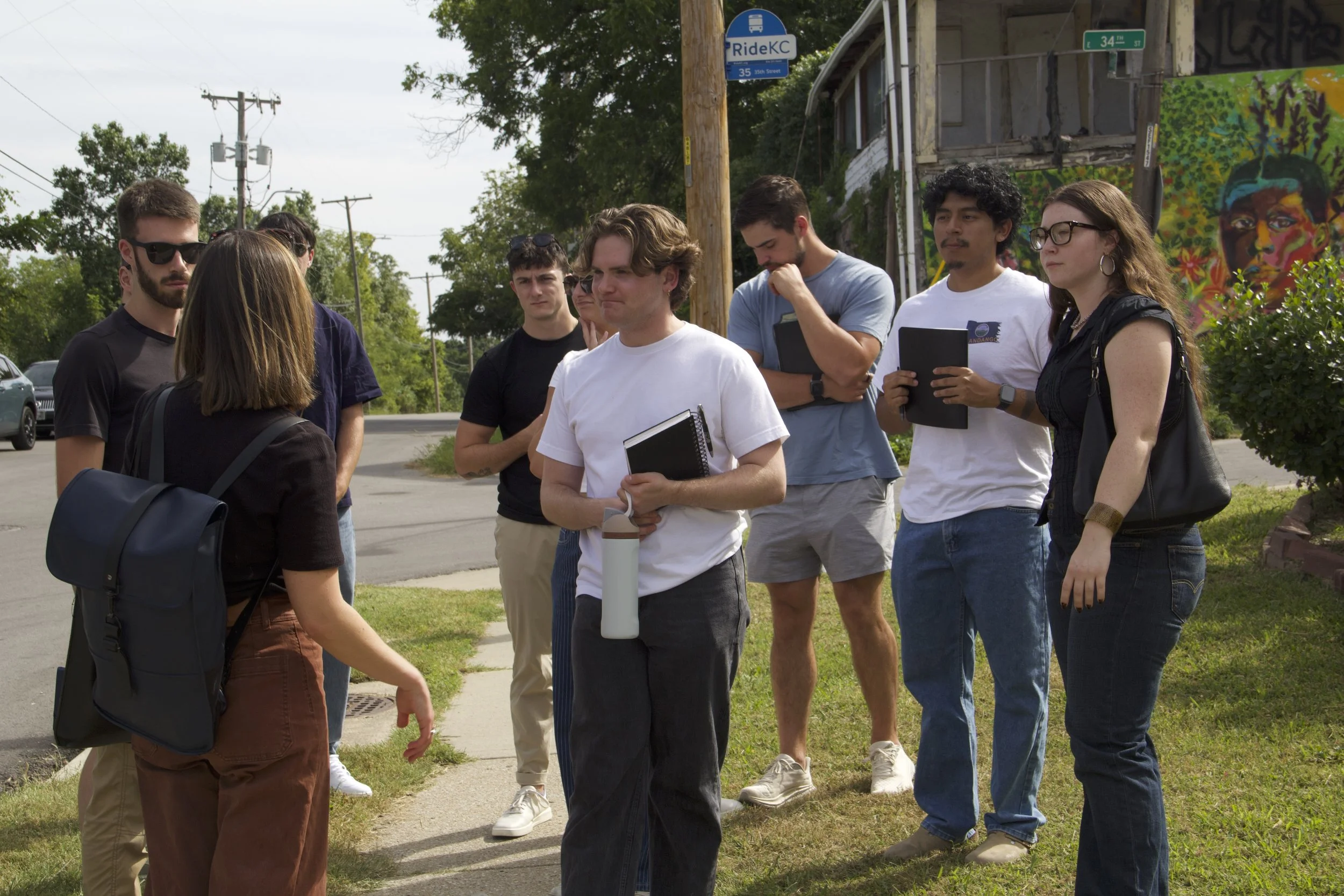
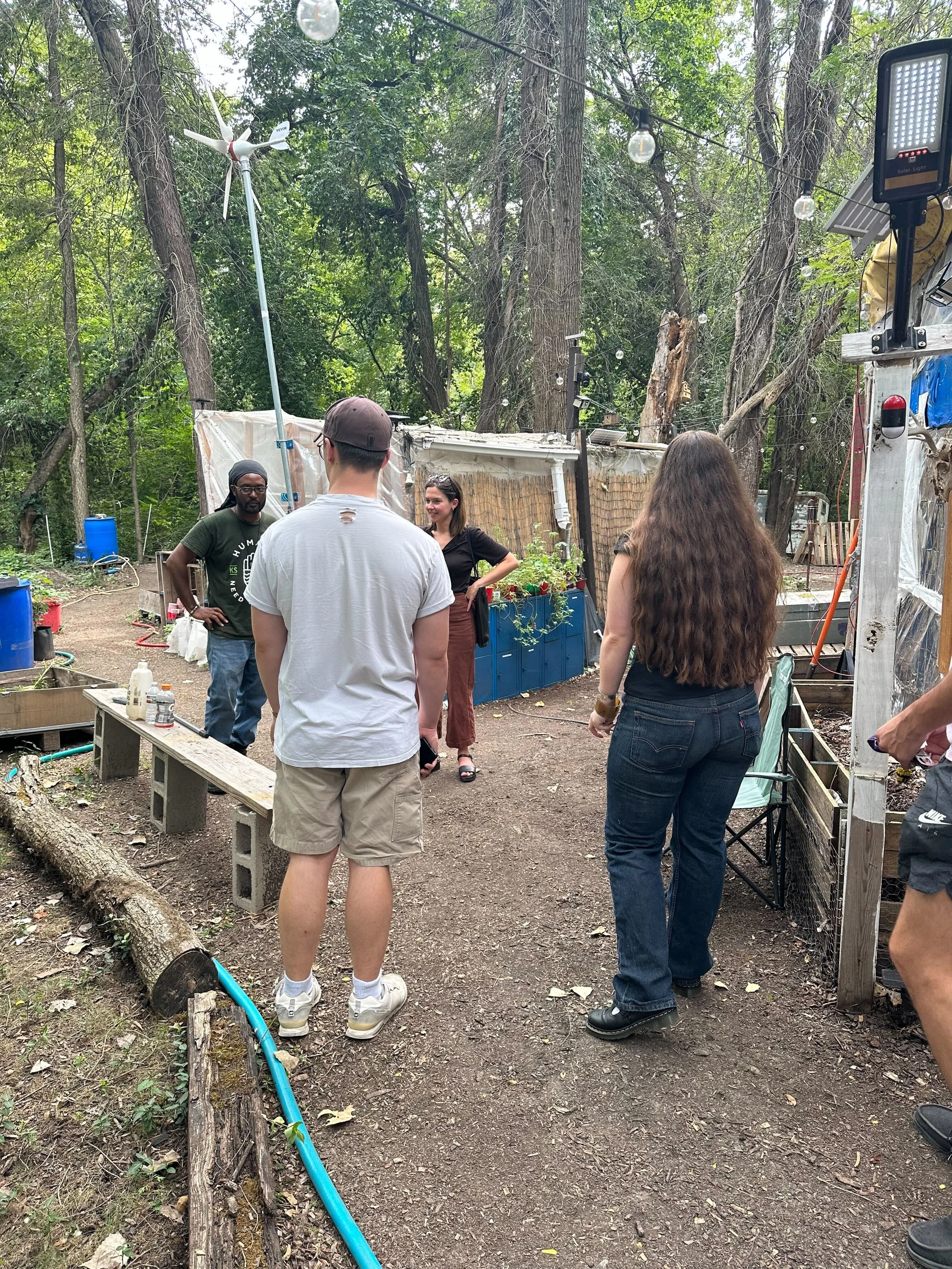
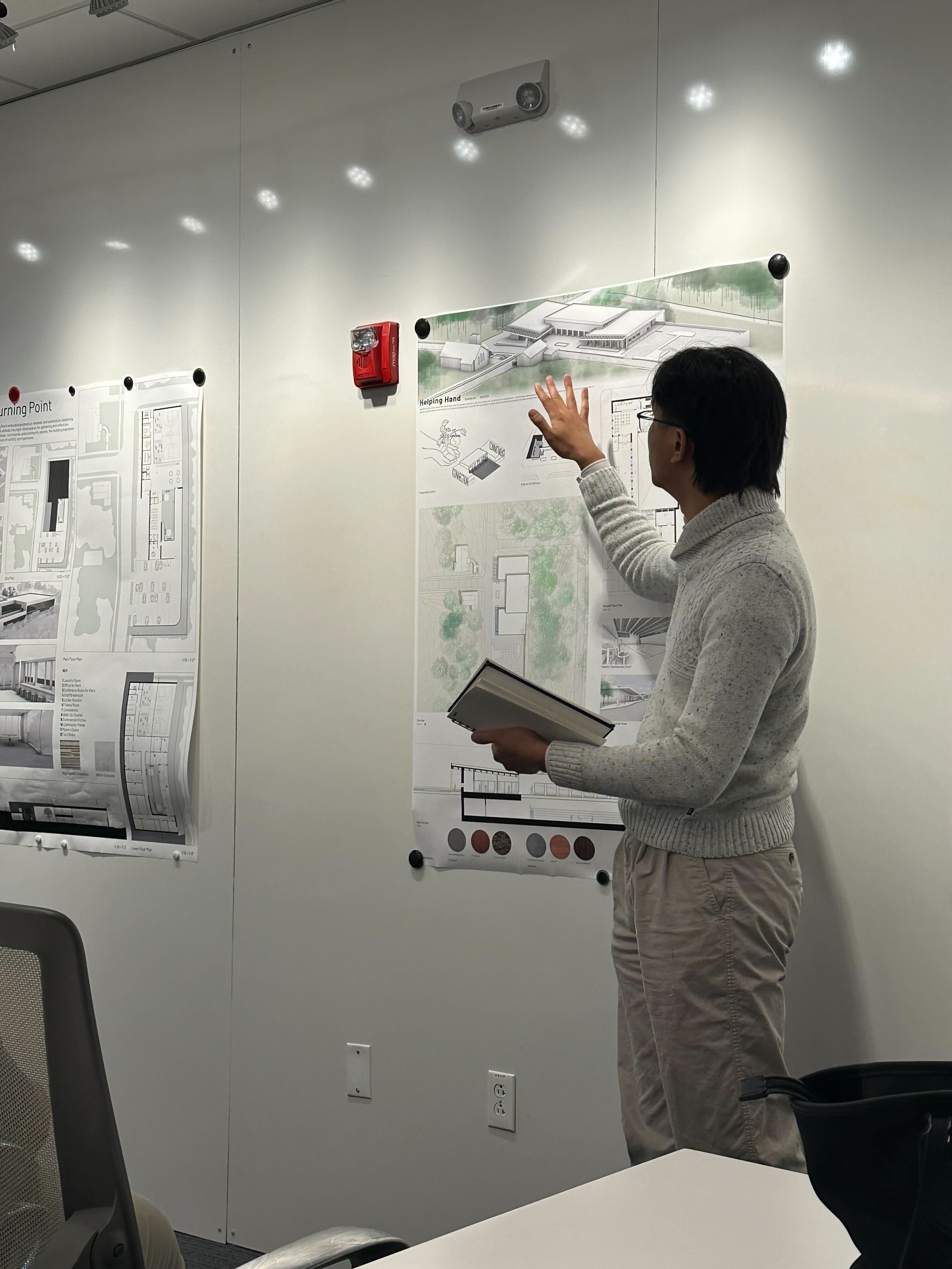
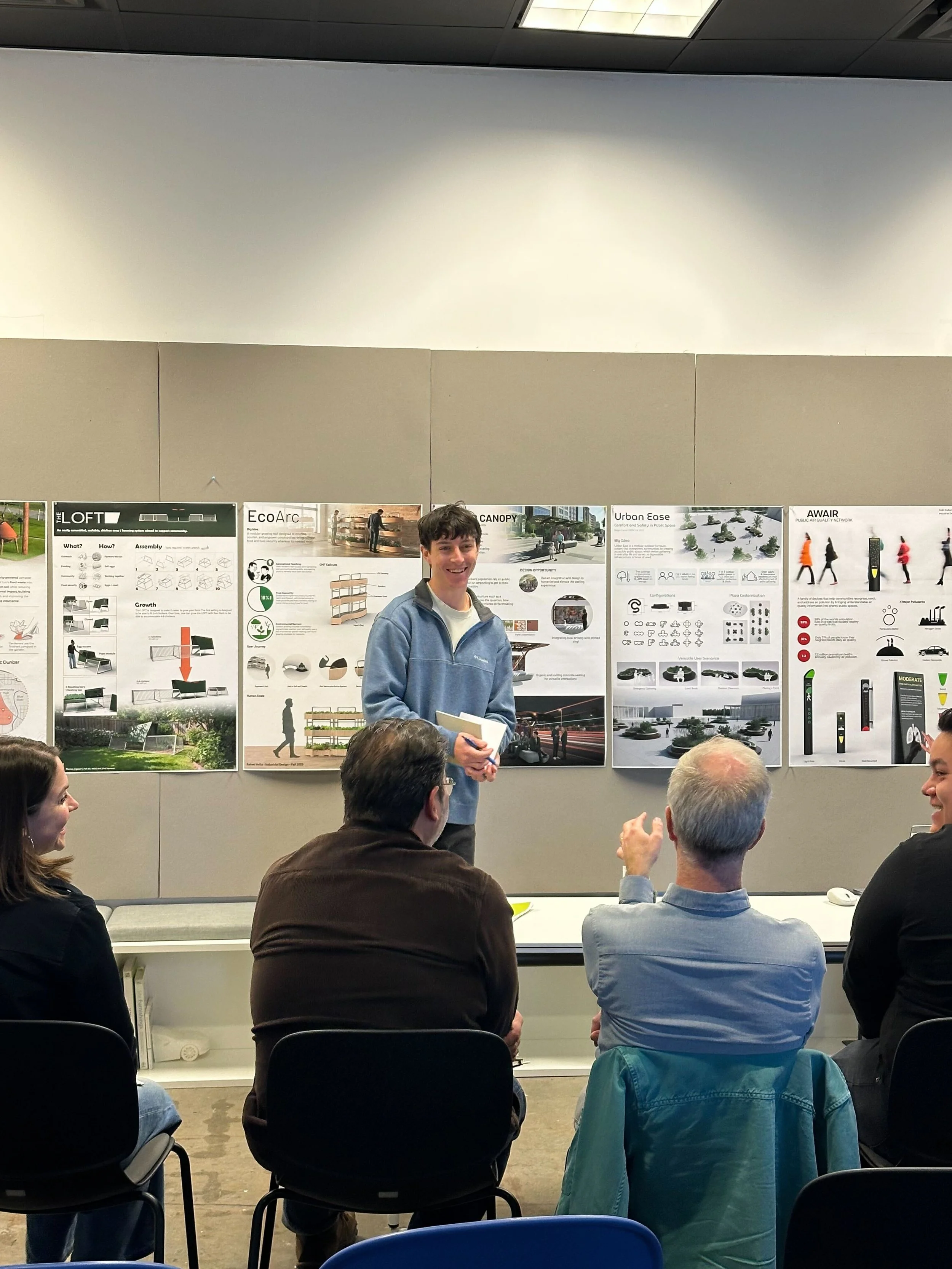
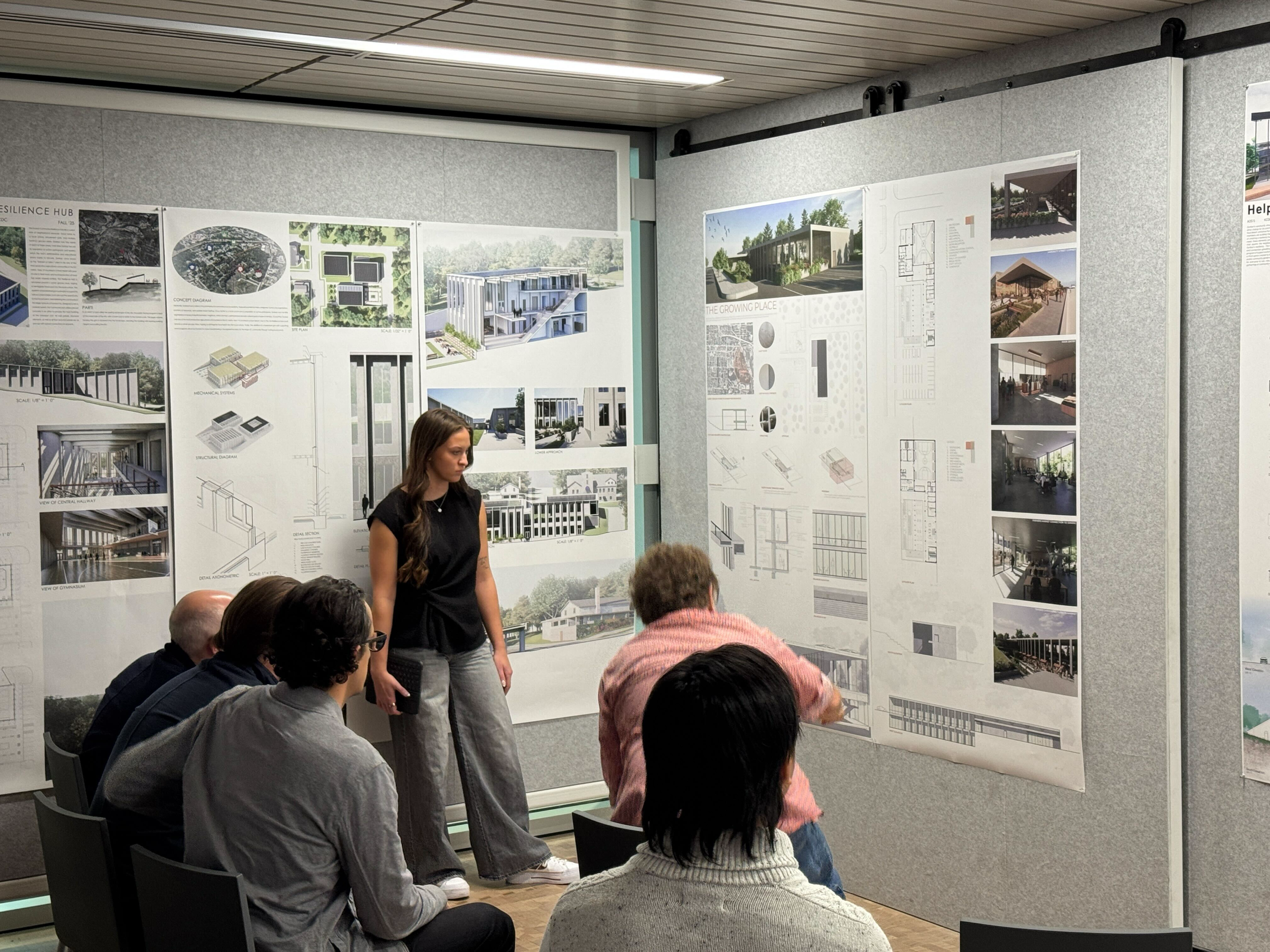
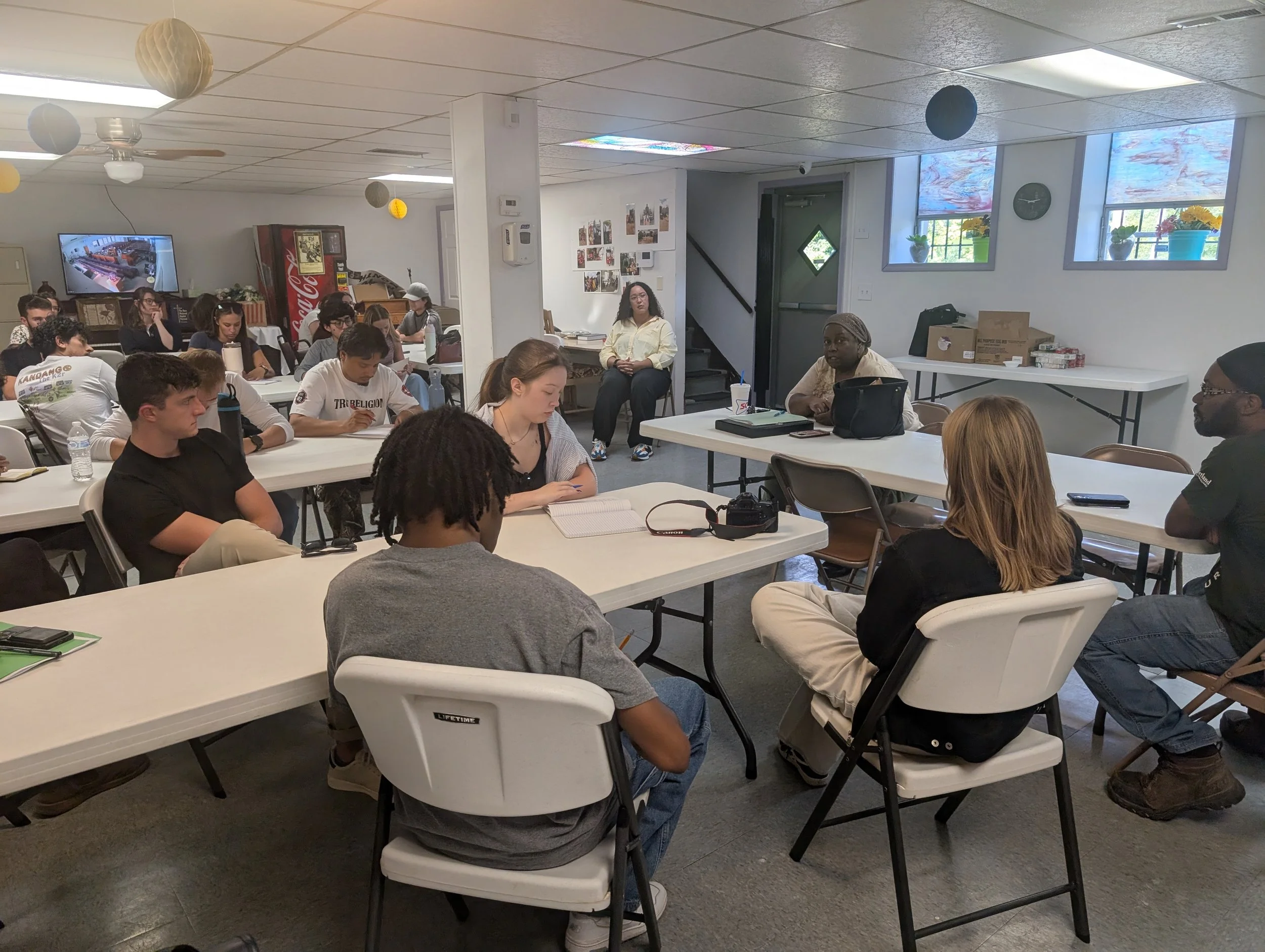
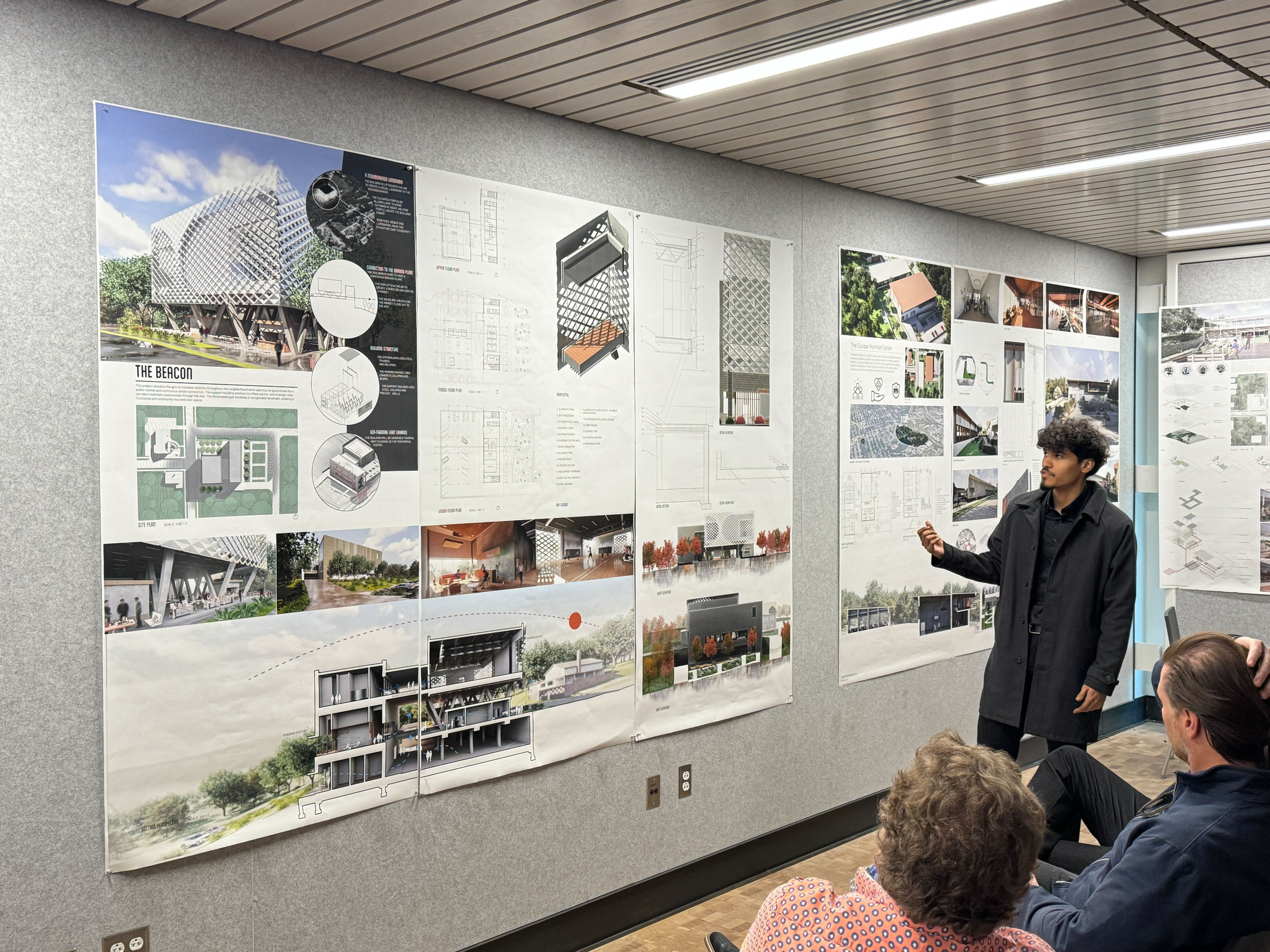
Architecture students designed a Community Resilience Hub for Kansas City's Dunbar neighborhood, integrating community center and emergency shelter functions based on neighborhood input. The Dunbar neighborhood, a historically significant African American community, provided critical context for addressing infrastructure needs and climate adaptation. Industrial Design students developed products supporting resilience through research and community engagement, proposing modular furniture, water systems, information tools, and community resources deployable across the hub and neighborhood sites to strengthen everyday life while providing critical emergency functions.
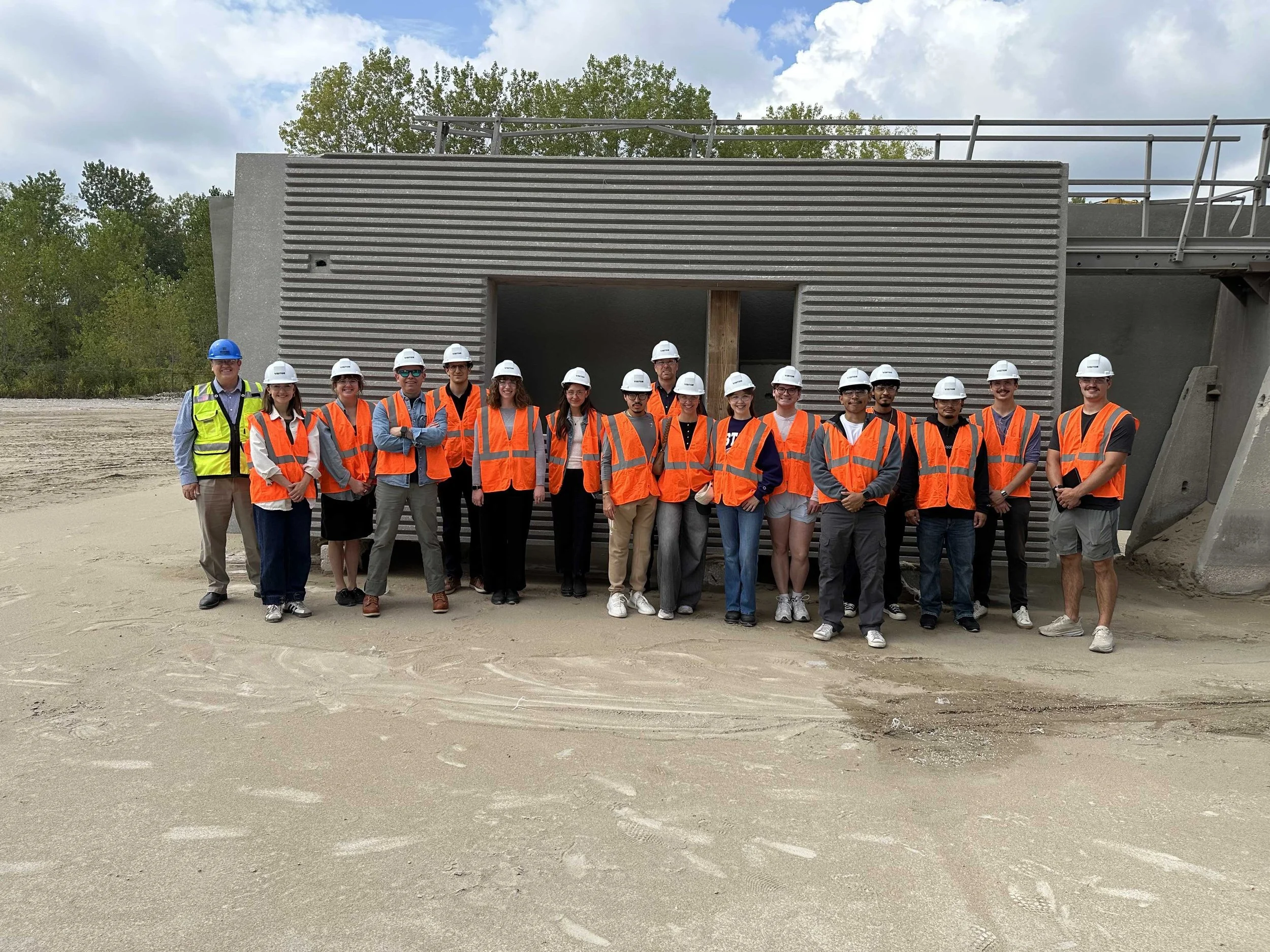
The studio collaborated with More², a community development organization focused on environmental justice and neighborhood resilience, to learn about ongoing efforts across Kansas City and build on work by the Mid-America Regional Council and Dunbar neighborhood leaders. Professional partners from FOCAL Design Studio and KEM STUDIO consulted on Industrial Design and Architecture projects respectively.
UPCOMING PROJECT EVENTS:
There is an upcoming Science Matters event with the Central Library about this project on 01/28/26.
Disclaimer: The KCDC functions as an academic visioning agency only, and does not implement or build the proposed designs from its academic projects. The research, study, and plans developed by the studio may be used by organizations to conduct their own development and implementation separate from the KCDC’s project. It is our hope that the studio’s visioning process acts as a conduit for the communities voice to be heard through the design proposal presented.