The Importance of Gathering for Resilience

Resilience is a complex idea made up of multiple factors working together to create strong, well-supported communities. One crucial component of social resilience is the ability for communities to build relationships that support: trust, resource sharing, and mutual aid to better support themselves in times of disaster and begin to rebuild after tragedy. This social resilience is actively built through repeated gathering that develops relationships. This capacity for community self-reliance is especially vital for minorities and marginalized populations who are less likely to receive timely aid from government institutions during crises. Sociologist Eric Klinenberg explains this concept in his book Palaces for the People, writing that "People forge bonds in places that have healthy social infrastructures not because they set out to build community, but because when people engage in sustained, recurrent interaction, particularly while doing things they enjoy, relationships inevitably grow." In other words, the casual, repeated interactions that happen in shared spaces, whether at a community garden, library, or neighborhood gathering place, naturally build the connections that become critical during emergencies. These organic social networks enable communities to act quickly and effectively, filling gaps where formal systems may fall short or arrive too late.

How Does This Affect Our Local Neighborhoods in KC?

The concept of social resilience deeply resonates in the Dunbar neighborhood, historically known as the "Garden of Eden" precisely because of a strong, self-reliant community structure and the abundance of shared spaces, such as the original Dunbar School. Today, the erosion of this social infrastructure, due to decline, razing of original buildings, and residents moving away, stands as a significant threat to current community resilience. Yet, efforts are underway to rebuild this vital capacity, especially through the Resilience Hub and various community garden projects that would intentionally reconnect those casual, repeated interactions that foster trust. The gathering places and food system initiatives of today focus on honoring Dunbar's historical roots as an intensive way to strengthen the organic social networks required to protect and sustain this marginalized community during future crises. This focus on rebuilding shared spaces like Dunbar Park, with its many events, including “Make Music Day”, has critical implications for mutual aid capacity and overall neighborhood stability.

Our Studio Experience

Designing for resilience today goes far beyond preparing for climate events. Our learnings show a shift toward a holistic, community-centered approach that responds to changing social and economic conditions. Adaptability is now a priority, ensuring facilities can support public safety partners and local service providers whenever needs arise. Flexibility is essential, with everyday community spaces designed to transition quickly during emergencies, similar to educational medical environments that can operate as surge-capacity care centers. Even with rising material costs, designers continue to pursue strategies that create multiple benefits, such as integrating green infrastructure into public amenities to manage stormwater and enhance overall quality of life.

Growing Industrial Design in KC: Drawing Connections

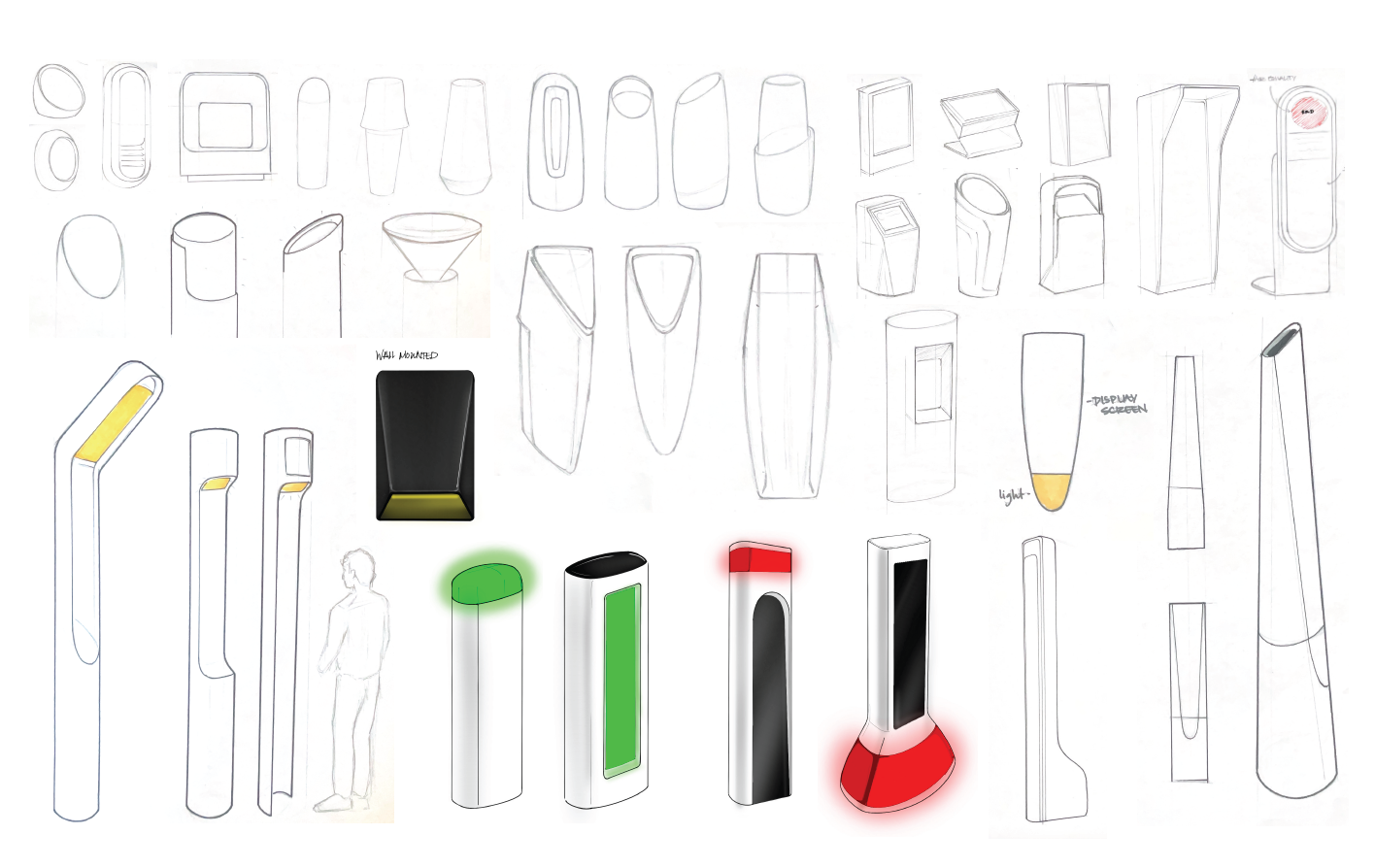
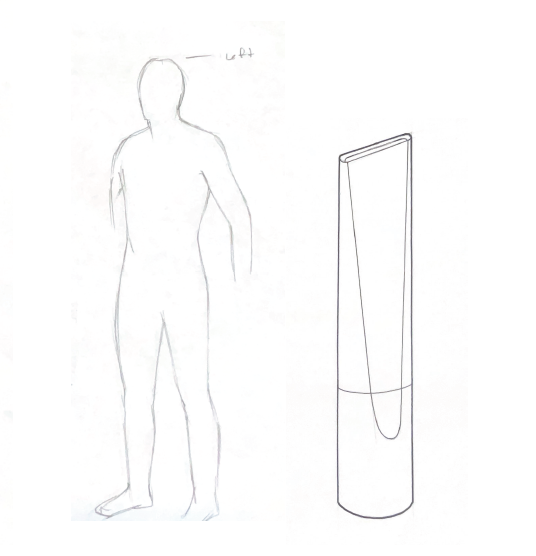
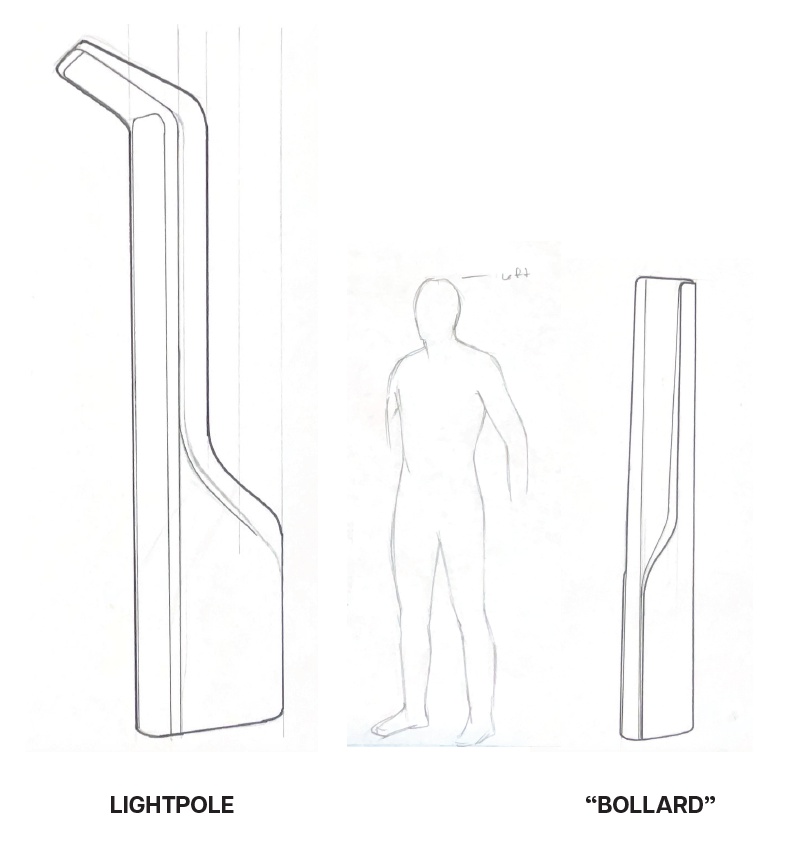
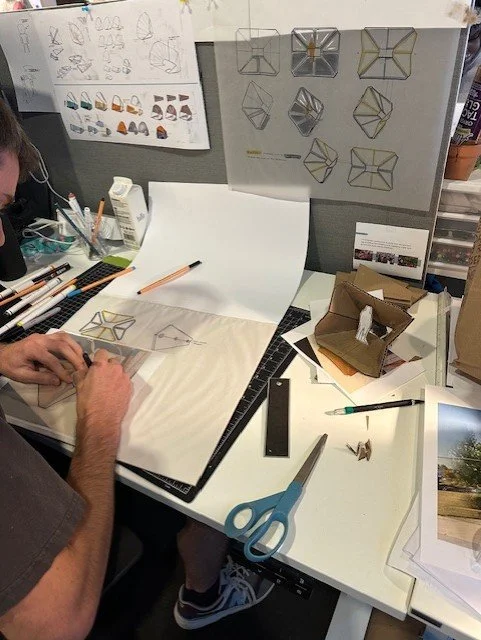
At Kansas City Design Center, we believe great design happens when different scales and disciplines come together. This semester, we offered Industrial Design for the first time as part of our studio program. Industrial design brings a focus on the human experience, shaping how people use, understand, and connect with the world around them. Read more about our current studio project on our website.

We’re proud to have 11 industrial design students this semester whose fresh ideas are enriching the work across the center and helping build a stronger industrial design presence in Kansas City.

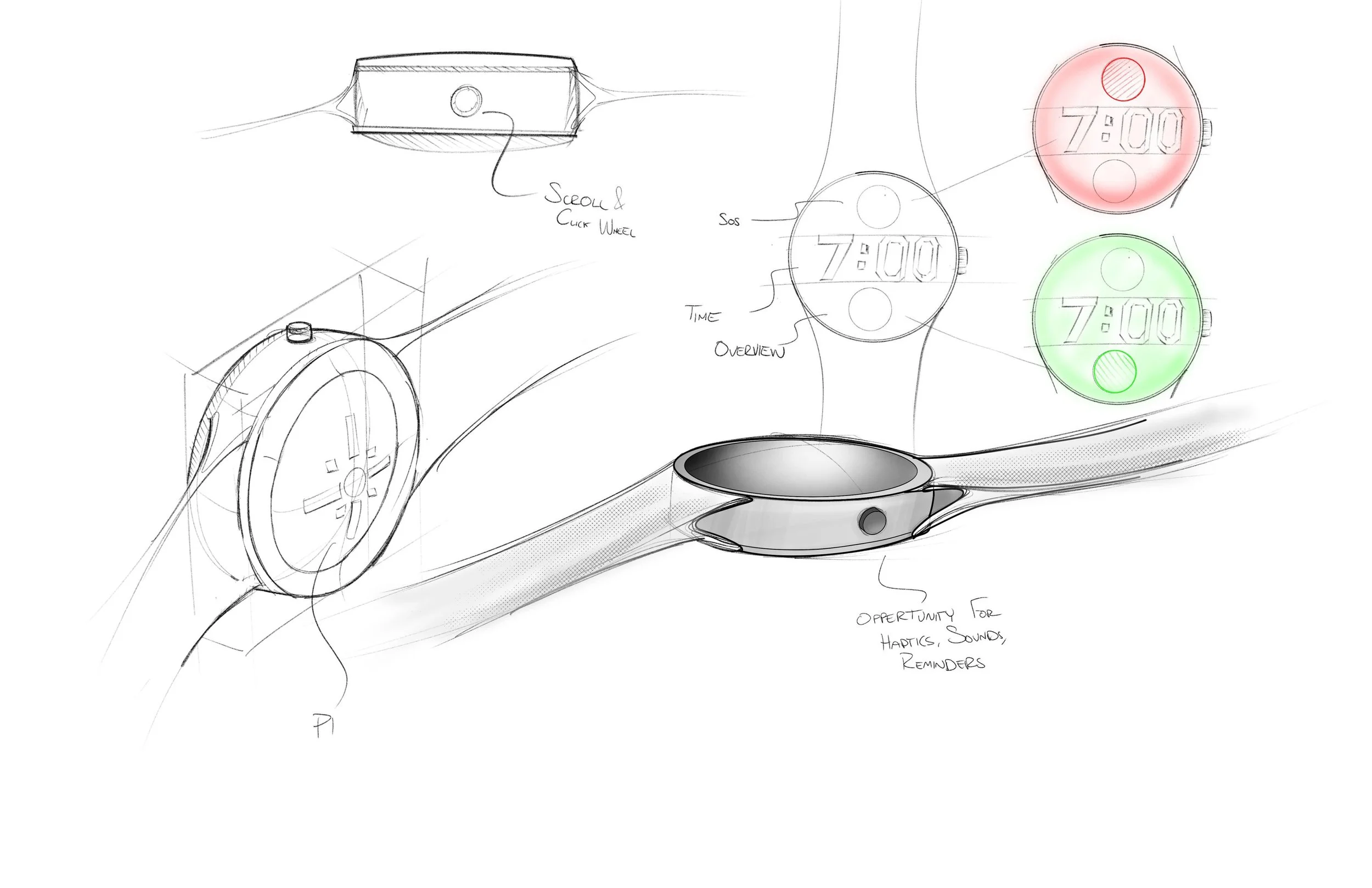
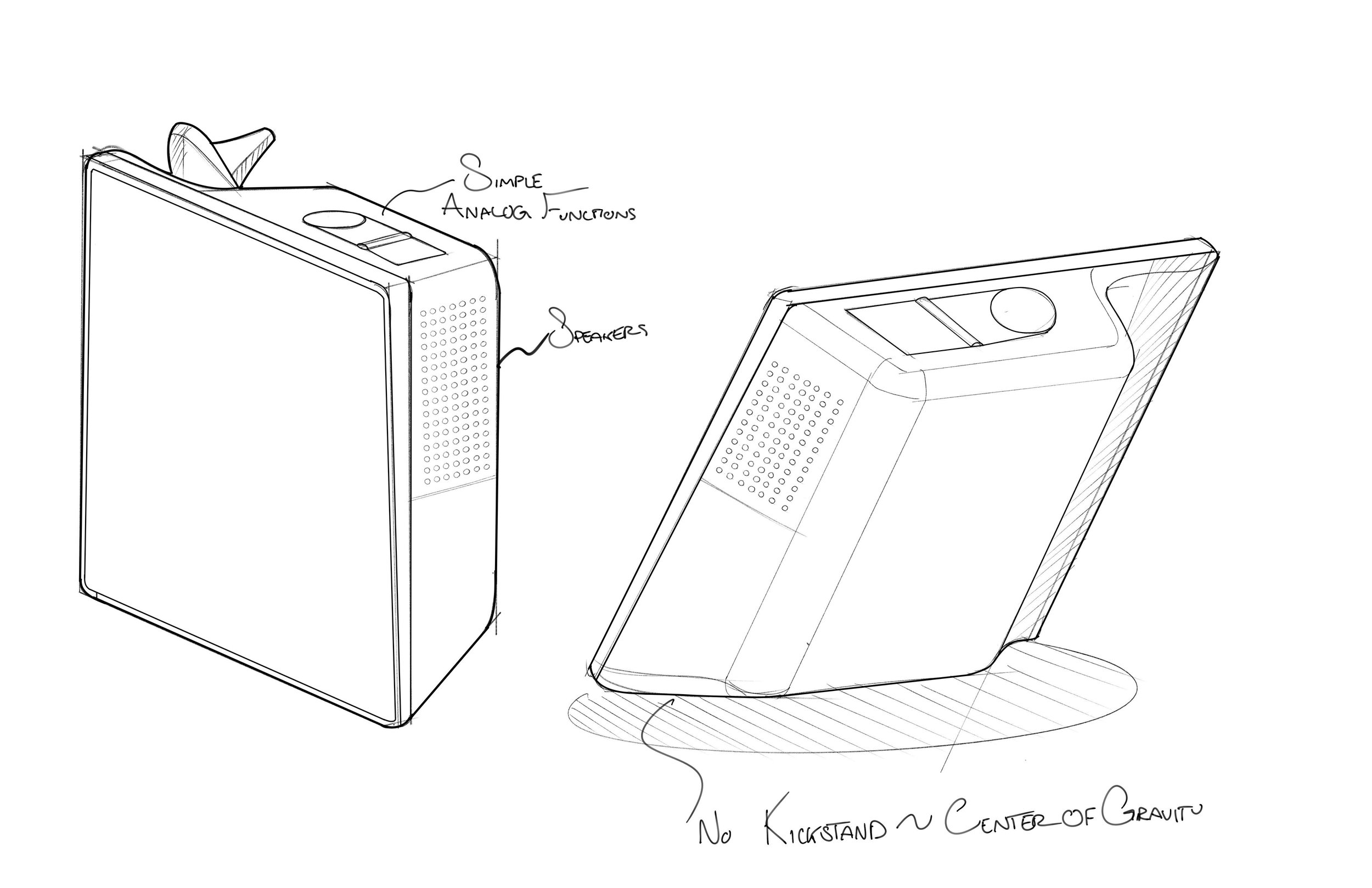
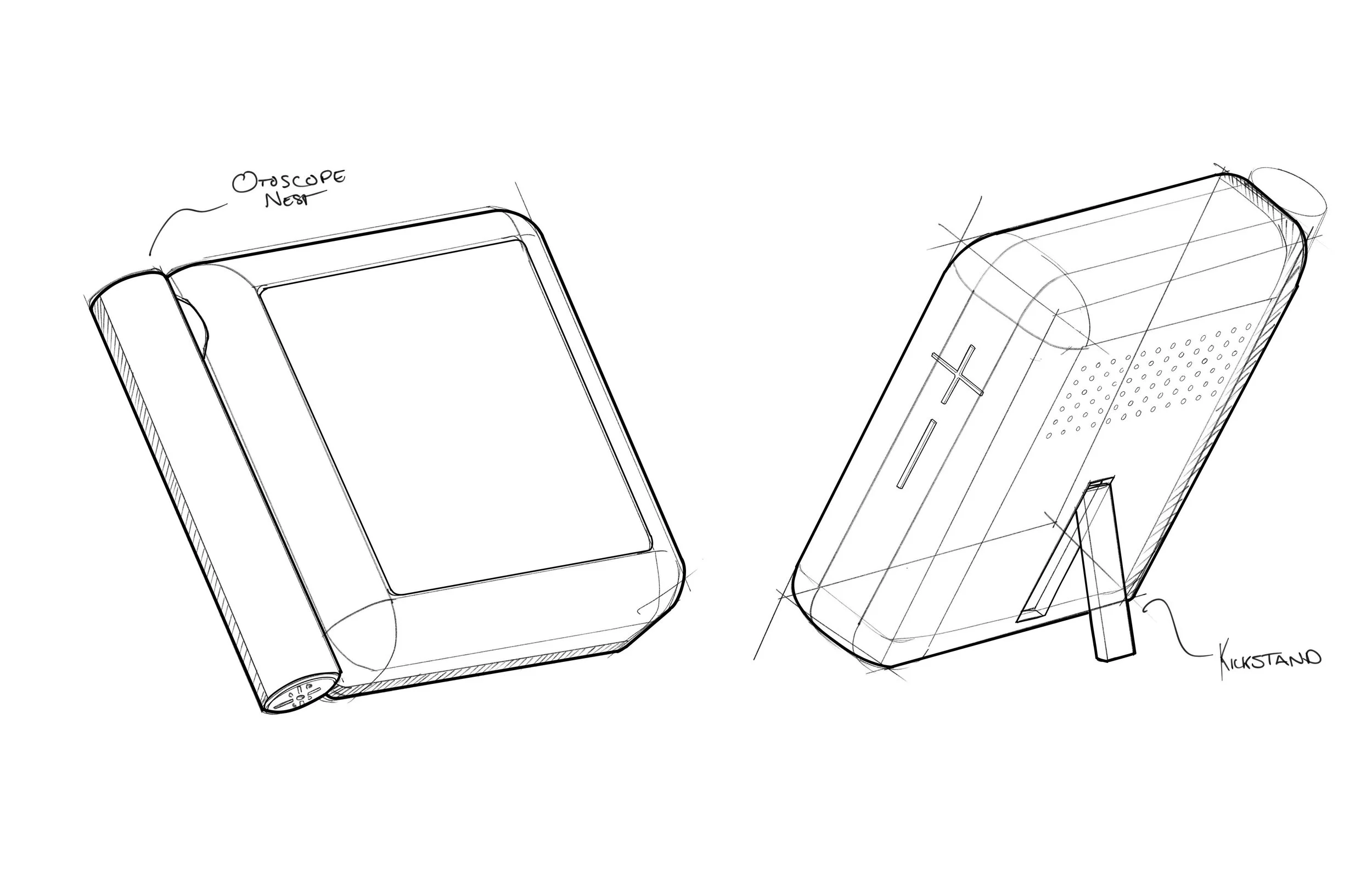
A major highlight this fall was hosting Andreas Bell, who, though originally from Germany, studied industrial design at the University of Kansas before going on to lead TEAMS Design USA. During his talk, Andreas shared how he developed his design thinking and how sketching has remained a constant thread in his practice, a way to explore ideas, communicate clearly, and refine solutions that truly serve people. His presentation reflected TEAMS Design’s belief that good design is purposeful, empathetic, and grounded in understanding the needs of those who use it.

We’ve also been collaborating with several local industrial design organizations to expand our reach and opportunities. Along with our design consultant Jonathon Kemnitzer from KEM STUDIO, we’ve received valuable input from the Industrial Designers Society of America local chapter, Gil Manilo at Garmin, and Dimensional Innovations. Their support has helped shape the student projects and connect students to the design profession as they consider their next move entering their final year of college.

On November 7th, we hosted a Sketch Jam student competition to showcase sketching skills. We had a great turnout to cheer on the students, and we loved welcoming design professionals and other students into the space. It was inspiring to see so much creativity and community energy in one place.

As we continue to grow industrial design at KCDC, we’re excited about its potential to advance design that serves people and improves everyday life in Kansas City and beyond.

How Design Can Support Healthier Neighborhoods

Design within our neighborhoods has incredible potential to affect our emotional and physical wellbeing. Research shows that major health challenges, including low life expectancy and poor physical and mental health, are very prevalent in neighborhoods that have not received enough attention. Utilizing people-first design that encourages socialization and engagement with the outdoors can help with improving physical and mental health.  

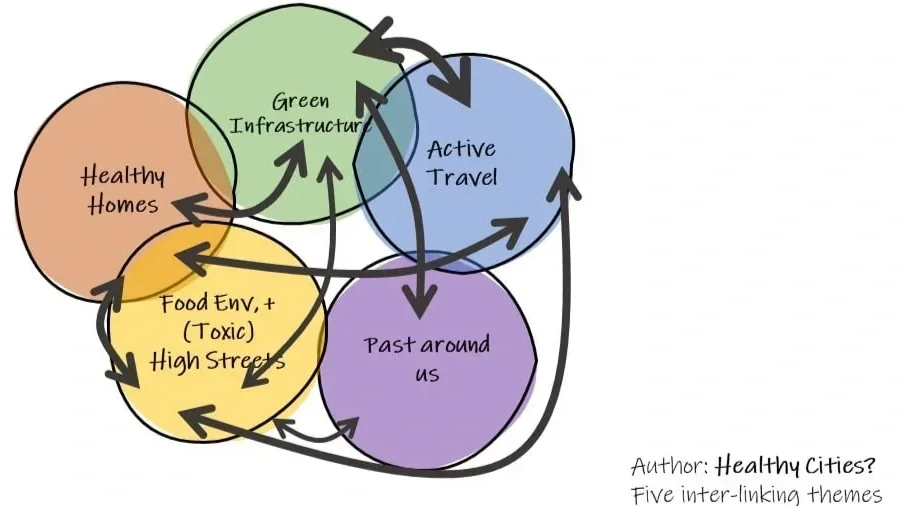
So, what makes a neighborhood healthy? Tim Townshend, Professor of Urban Design for Health at Newcastle University, says that decent housing, adequate public green spaces, walkable movement networks, adaptive landscape for the seasons, and shareable places can improve community resilience.

Decent Housing: This means more than just affordable housing. It means housing that responds to the needs of the neighborhood. Meeting space standards, access to outside spaces, safety, and more. If the neighborhood is a cake, decent housing is the flour, the base and arguably the most important part. 

Adequate Public Green Spaces: Access to green spaces helps break sedentary lifestyles and encourages exploration. There are plenty of studies of how greenery positively affects our mood. 

Walkable Movement Network: A well-connected, walkable network allows residents to commute to and from work while maintaining convenient access to nearby amenities. You’ve probably heard about the benefits of walkable cities; this approach supports the same idea: the less time people spend commuting, the better their quality of life.

Adaptive Landscape Responding to Seasons: Green spaces are important, but, having landscapes that adapt and evolve with the seasonal changes is essential. Think of the beautiful orange and yellow trees in the fall. Or the dark pines in the winter that contrast with the snow. Having environments that change with the seasons allow us to appreciate spaces no matter the time of year.
Sharable places: Humans need connection. In neighborhoods it is very easy to disconnect by staying in your own living space. It is important to have sharable spaces that accommodate for all ages, so the neighborhood can break the invisible planes of their homes and unlock community.

We are using these elements and more to improve our designs at KCDC.  Dunbar, being a community that strives for self-sustainment and empowerment, holds many opportunities to push for these changes and create a resilient neighborhood for future generations to reside. As the Architecture students begin to finalize their structure and program design for their resilience hubs and Industrial Design students begin to complete sketches for their community-ready product design, the goal is for our designs to empower and strengthen resilience and self-sustainment within the Dunbar community.