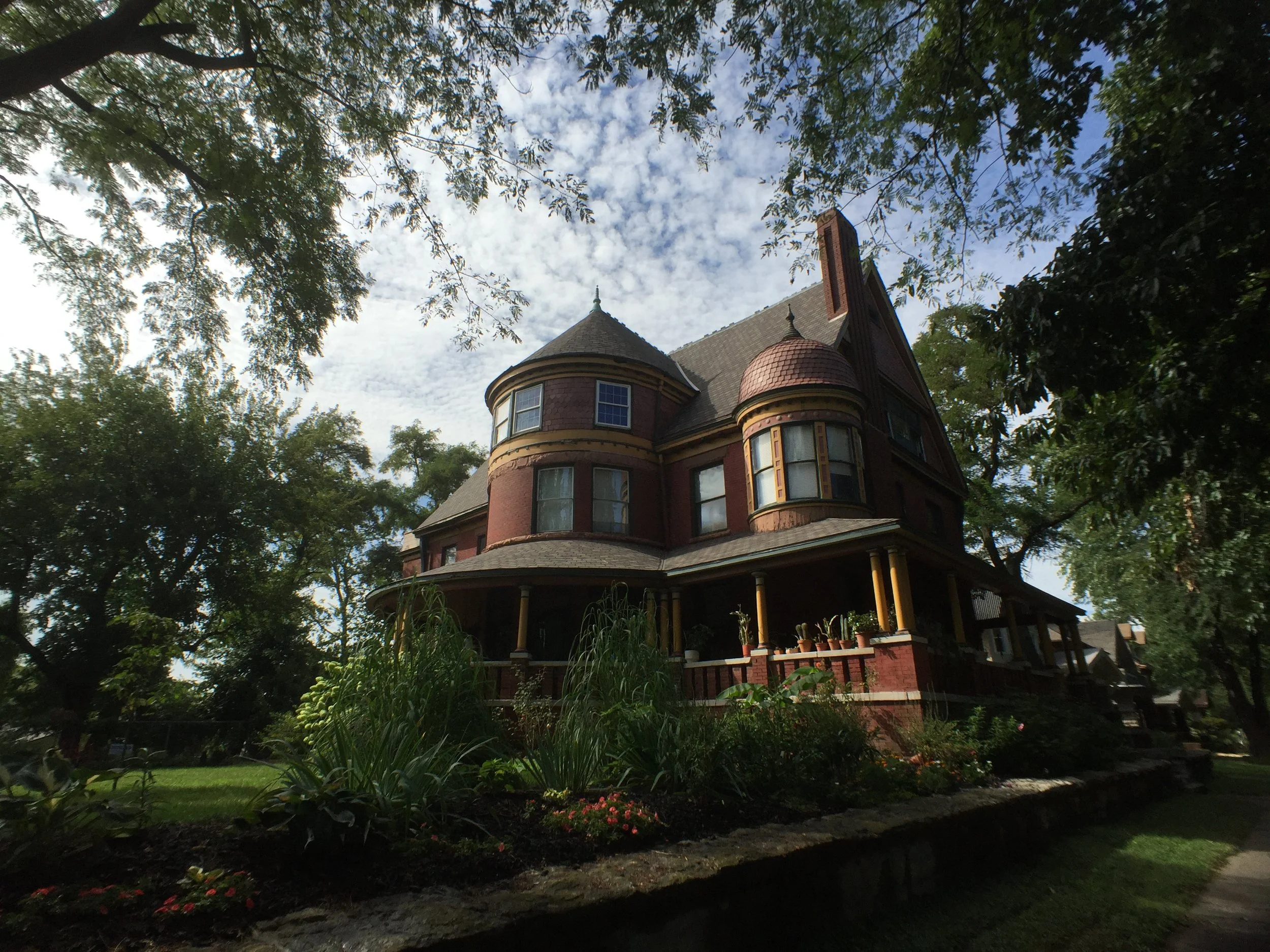

Overview of the Scarritt Renaissance Neighborhood and Kessler Park.
The fall semester is full of possibilities as a new set of students are settling into the KCDC studio. This time, nine architecture students and one landscape student are joining forces to develop a revitalization plan for the historic Scarritt Renaissance Neighborhood.
Scarritt Renaissance is home to the famous Kessler Park and Cliff Drive, which offer amazing panoramic views to the East Bottoms and ample green space for soccer, disc golf, and other activities. Among the greenery is the Concourse and Colonnade, a popular meeting ground for the neighborhood's families. Children enjoy running through the fountain or using the playground while their parents socialize.

However, it's not all fun and games in the neighborhood. Many residents have concerns about the growing number of vacancies, crime, and homes in disrepair. The KCDC students are researching the neighborhood and developing a revitalization plan by working closely with residents, the Scarritt Renaissance Neighborhood Association, the Kansas City Planning Department, and other organizations.


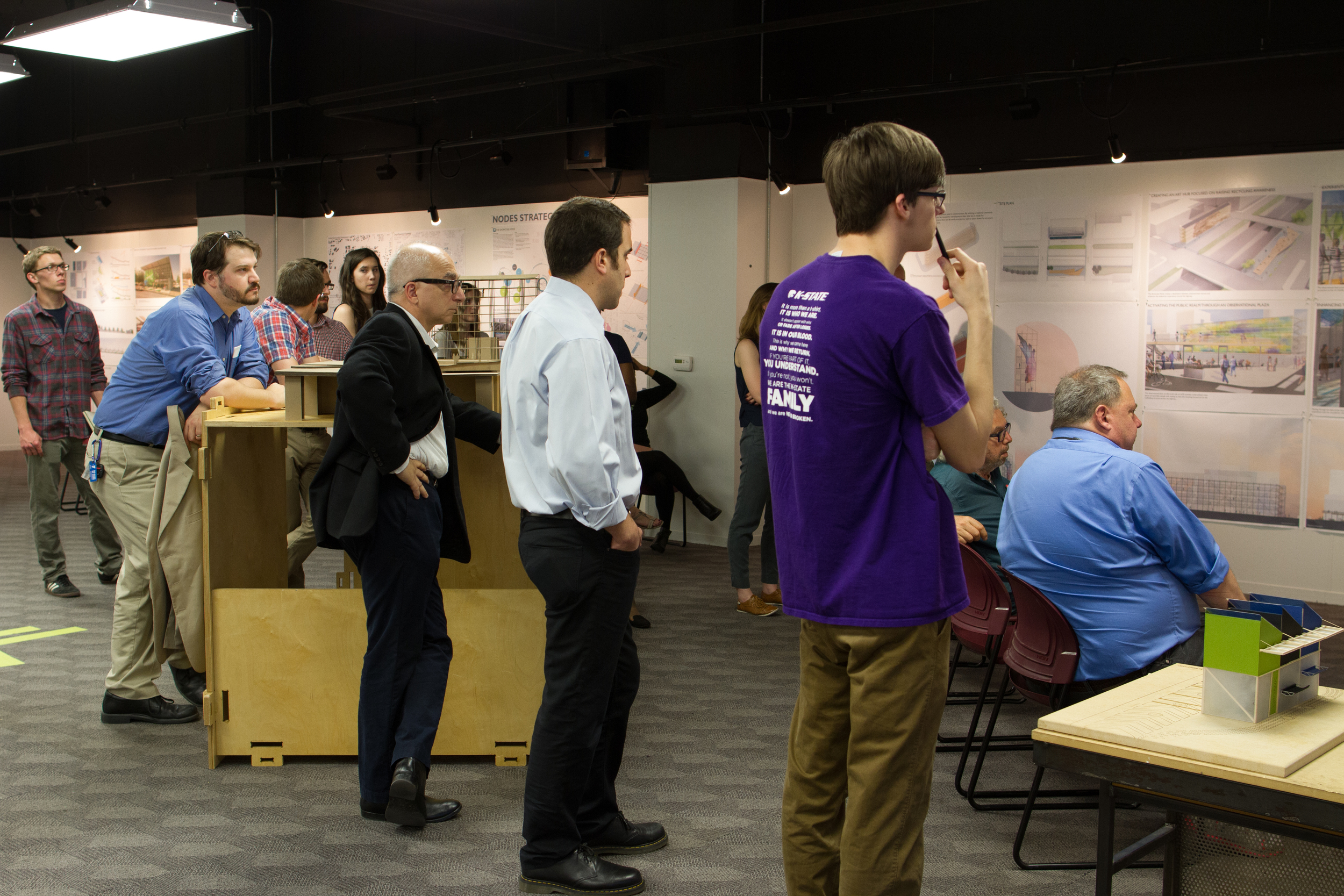
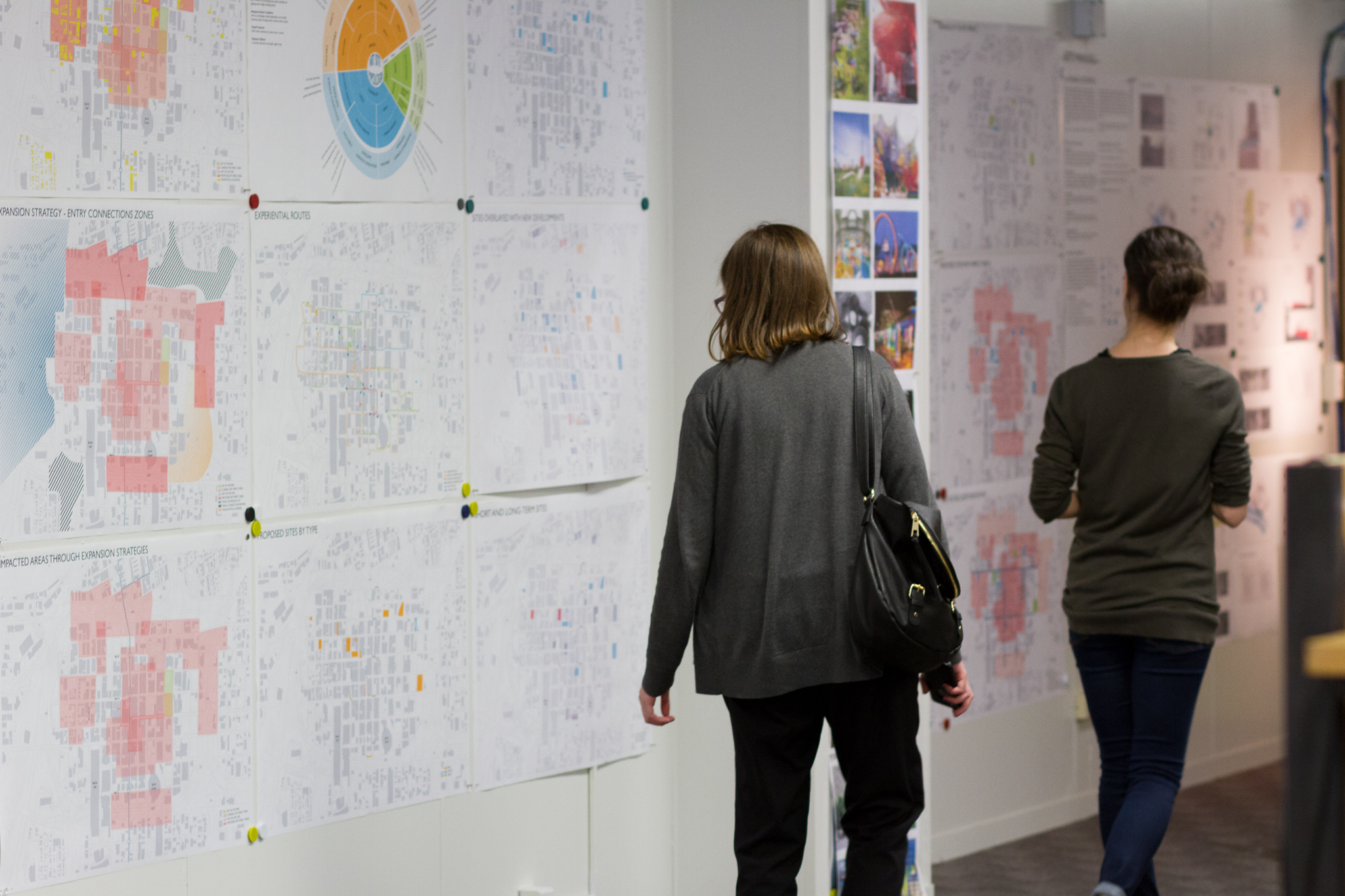
To finish up the month of August, the KCDC students presented their preliminary findings on the neighborhood at the Kansas City Museum. They will take the feedback from the neighborhood association and continue to identify local assets and areas in need of improvement.
Expect a great project from these eager and fresh students! To keep updated on their progress follow the Kansas City Design Center here, on Facebook, and on Instagram.