How Design Can Support Healthier Neighborhoods

Design within our neighborhoods has incredible potential to affect our emotional and physical wellbeing. Research shows that major health challenges, including low life expectancy and poor physical and mental health, are very prevalent in neighborhoods that have not received enough attention. Utilizing people-first design that encourages socialization and engagement with the outdoors can help with improving physical and mental health.  

So, what makes a neighborhood healthy? Tim Townshend, Professor of Urban Design for Health at Newcastle University, says that decent housing, adequate public green spaces, walkable movement networks, adaptive landscape for the seasons, and shareable places can improve community resilience.
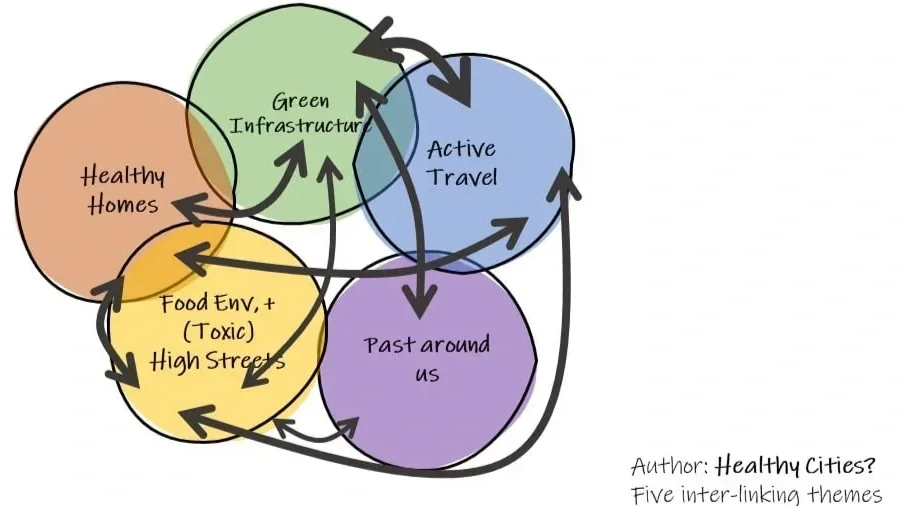
Decent Housing: This means more than just affordable housing. It means housing that responds to the needs of the neighborhood. Meeting space standards, access to outside spaces, safety, and more. If the neighborhood is a cake, decent housing is the flour, the base and arguably the most important part. 

Adequate Public Green Spaces: Access to green spaces helps break sedentary lifestyles and encourages exploration. There are plenty of studies of how greenery positively affects our mood. 

Walkable Movement Network: A well-connected, walkable network allows residents to commute to and from work while maintaining convenient access to nearby amenities. You’ve probably heard about the benefits of walkable cities; this approach supports the same idea: the less time people spend commuting, the better their quality of life.

Adaptive Landscape Responding to Seasons: Green spaces are important, but, having landscapes that adapt and evolve with the seasonal changes is essential. Think of the beautiful orange and yellow trees in the fall. Or the dark pines in the winter that contrast with the snow. Having environments that change with the seasons allow us to appreciate spaces no matter the time of year.
Sharable places: Humans need connection. In neighborhoods it is very easy to disconnect by staying in your own living space. It is important to have sharable spaces that accommodate for all ages, so the neighborhood can break the invisible planes of their homes and unlock community.
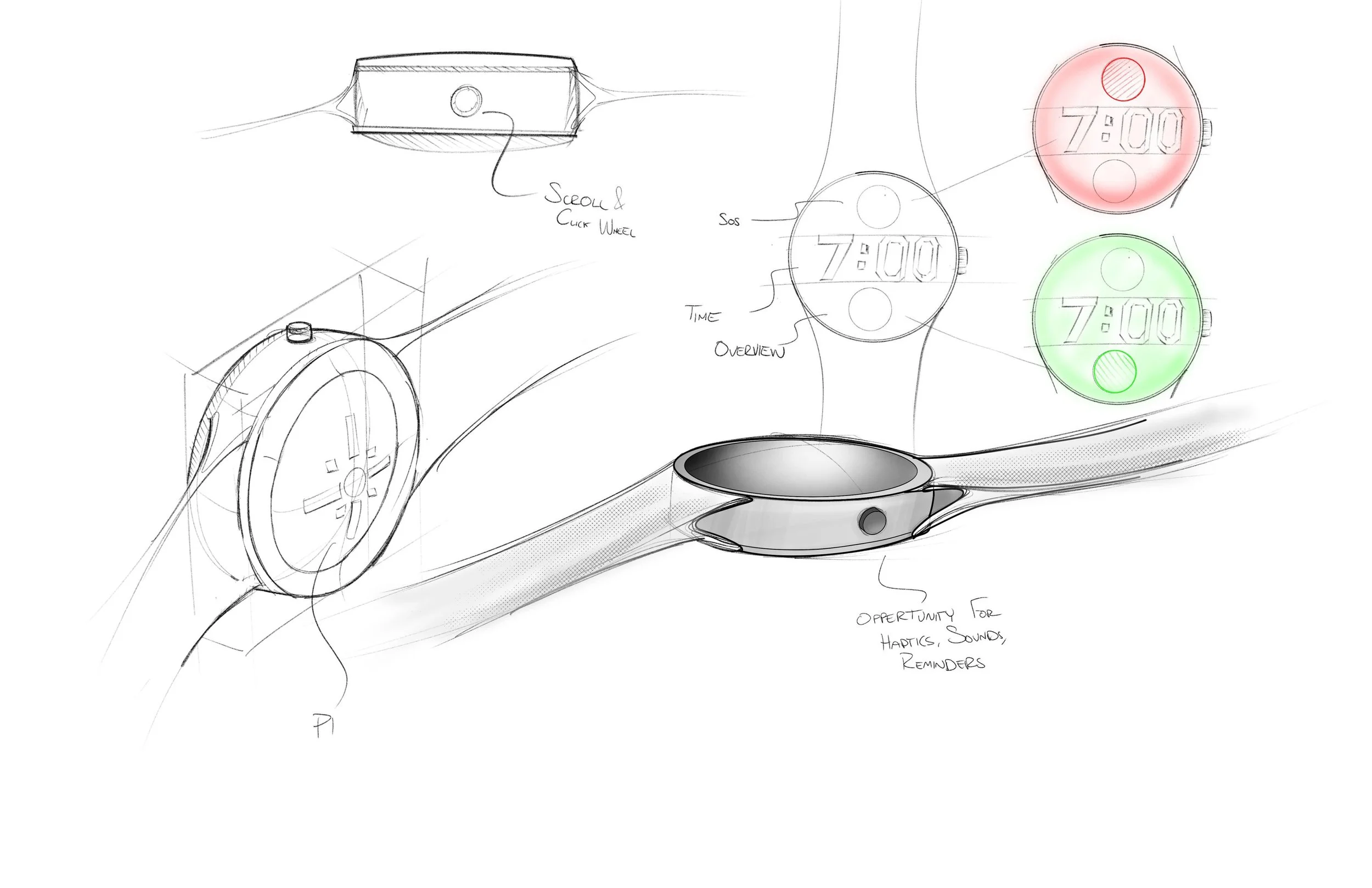
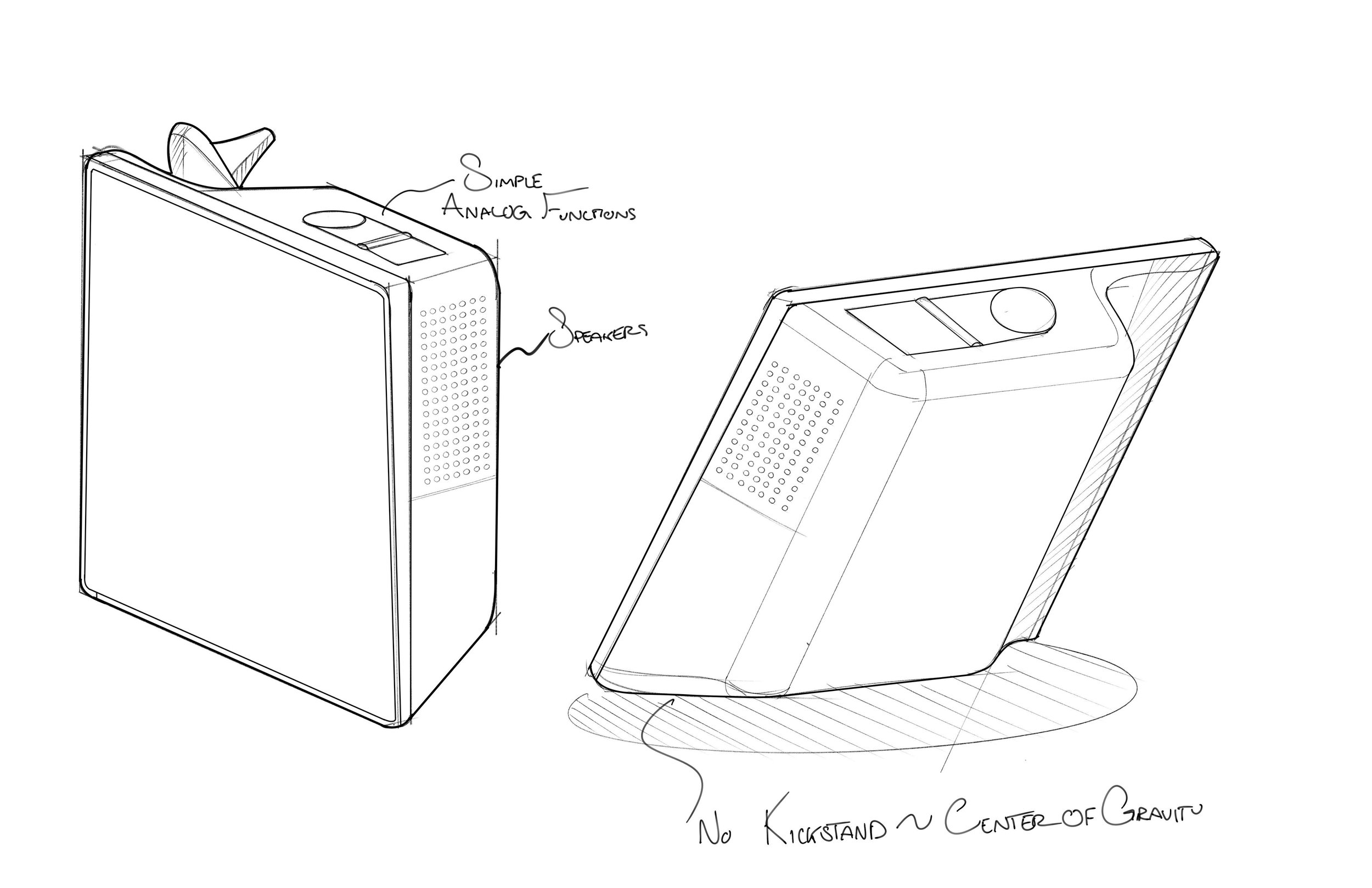
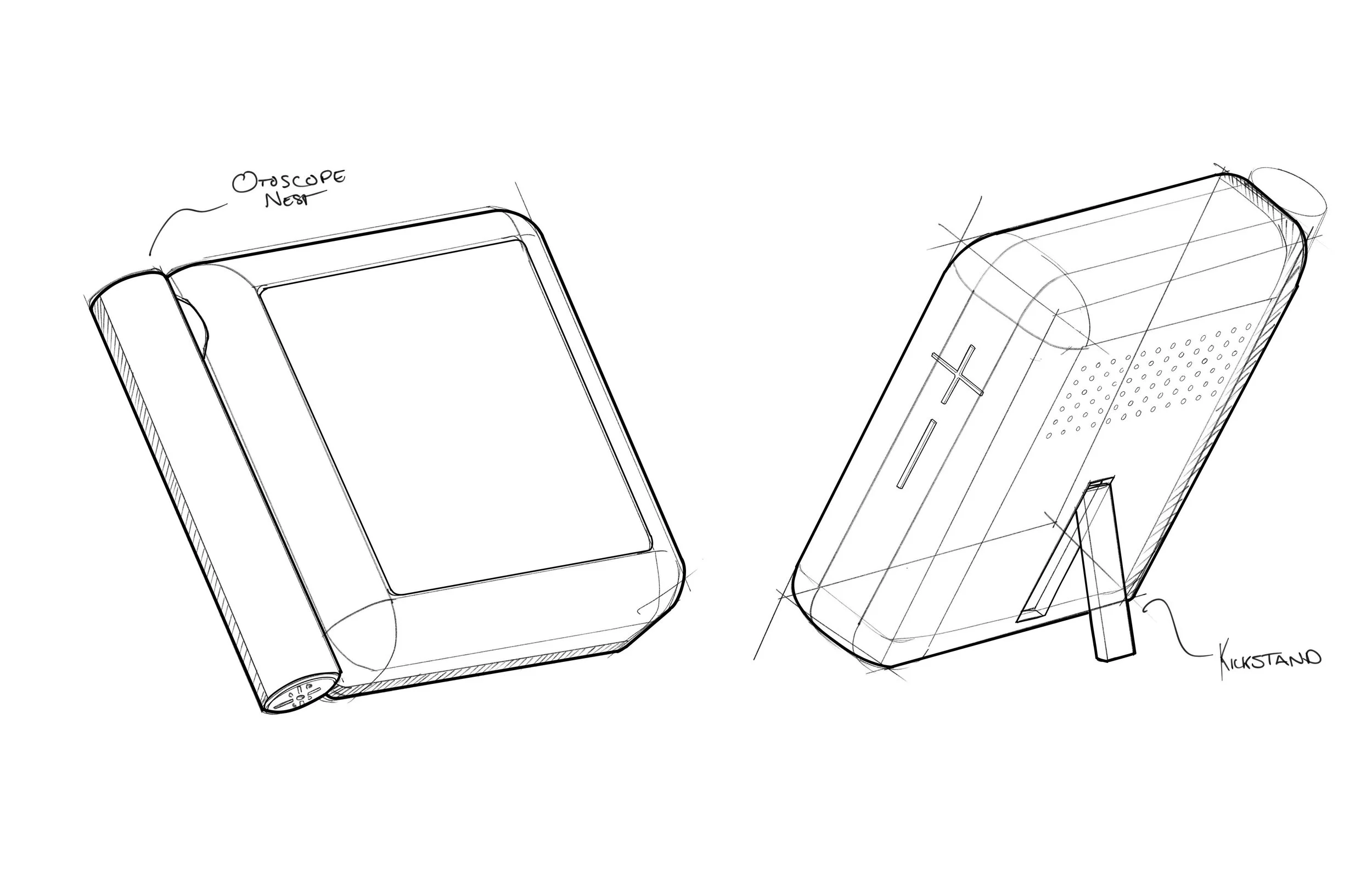
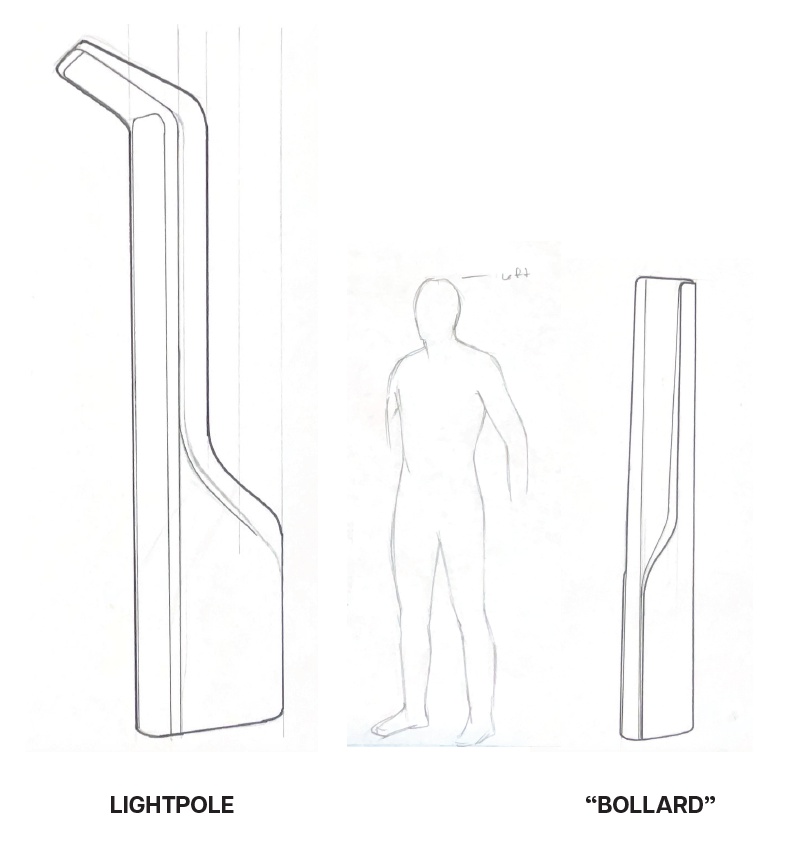
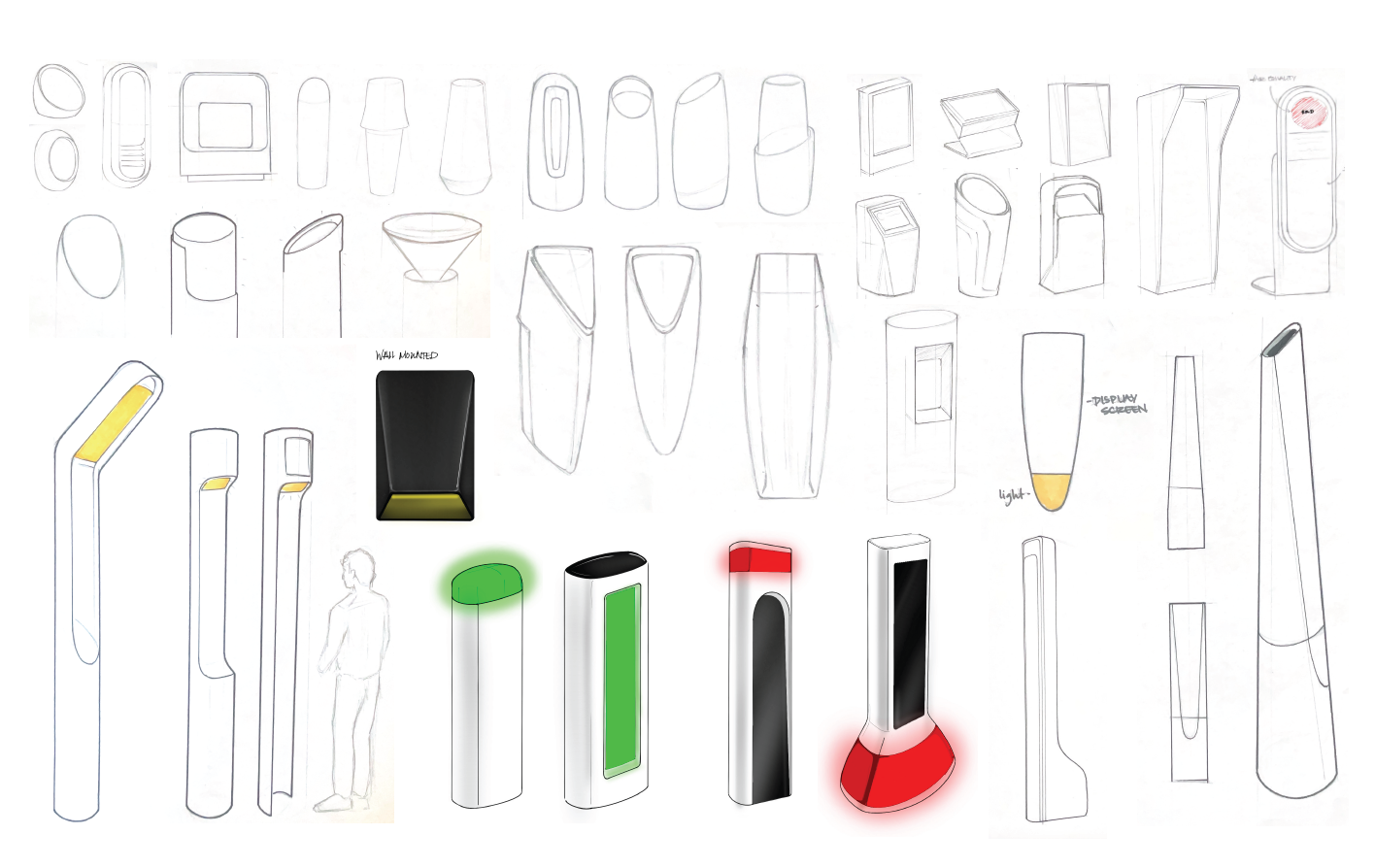
We are using these elements and more to improve our designs at KCDC.  Dunbar, being a community that strives for self-sustainment and empowerment, holds many opportunities to push for these changes and create a resilient neighborhood for future generations to reside. As the Architecture students begin to finalize their structure and program design for their resilience hubs and Industrial Design students begin to complete sketches for their community-ready product design, the goal is for our designs to empower and strengthen resilience and self-sustainment within the Dunbar community.
Food Systems that Strengthen Communities

This semester, our studio has been focusing on the Dunbar neighborhood and how design can play a role in building community resilience. A big part of that work centers around the idea of a Resilience Hub, a place that supports the neighborhood through access to resources, education, and connection. While each group has taken a different approach, several projects are exploring how food systems can plug into and strengthen that hub.

Some of the ideas include community gardens, chicken coops, green walls, farmers markets, and rainwater harvesting systems that encourage sustainable ways to grow and share food. These projects aim to do more than improve food access, they’re about creating spaces that bring people together, promote learning, and celebrate the history and culture of Dunbar. Once known as the “Garden of Eden”, Dunbar was once a self-sustaining community with deep agricultural roots. By thoughtfully integrating these sustainable, community-focused elements, the projects honor the neighborhood’s heritage while nurturing a renewed sense of pride and connection. Through this process, our studio is learning how intentional design can cultivate resilience, both environmentally and socially, within the community.

Outside of studio, the Industrial Design students attended the Healthcare Design Conference + Expo this week. Which was a great opportunity to network with professionals, explore innovative ideas in healthcare design, and gain new inspiration to bring back to the studio.

Mid-Review Reflections

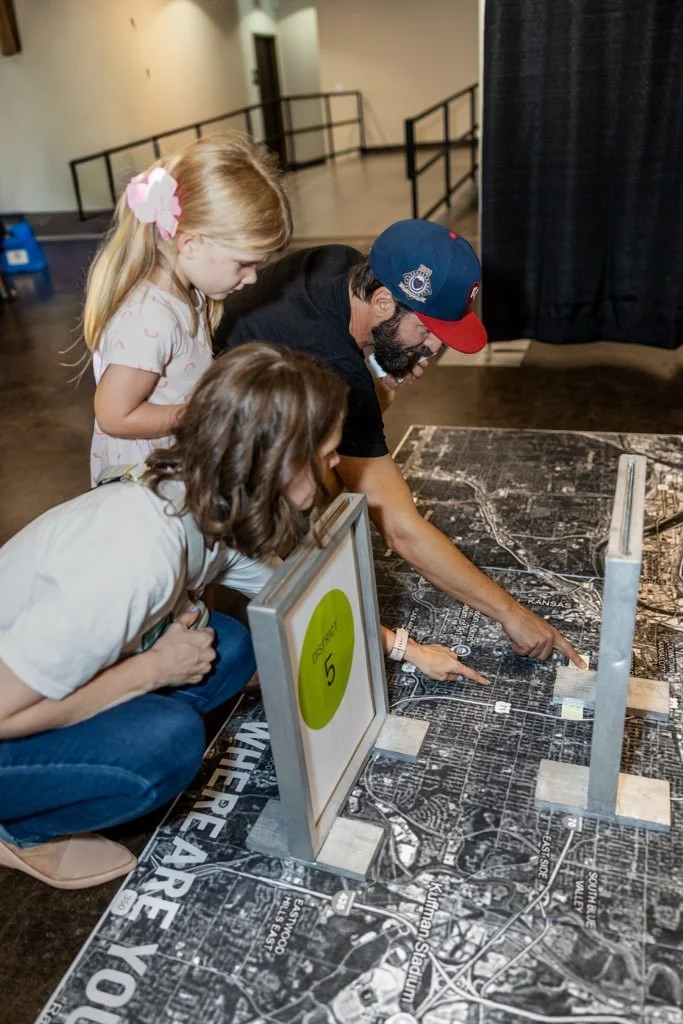
This past week, the Kansas City Design Center collaborated with Community Capital Fund to create an interactive map for the annual Community Development Workshop. The map showcased neighborhood investment projects across Kansas City, helping participants explore local efforts to strengthen community resilience. KCDC students also helped steward the event, welcoming guests, guiding them through the map, and sparking conversations about how design can support equitable development throughout the city.

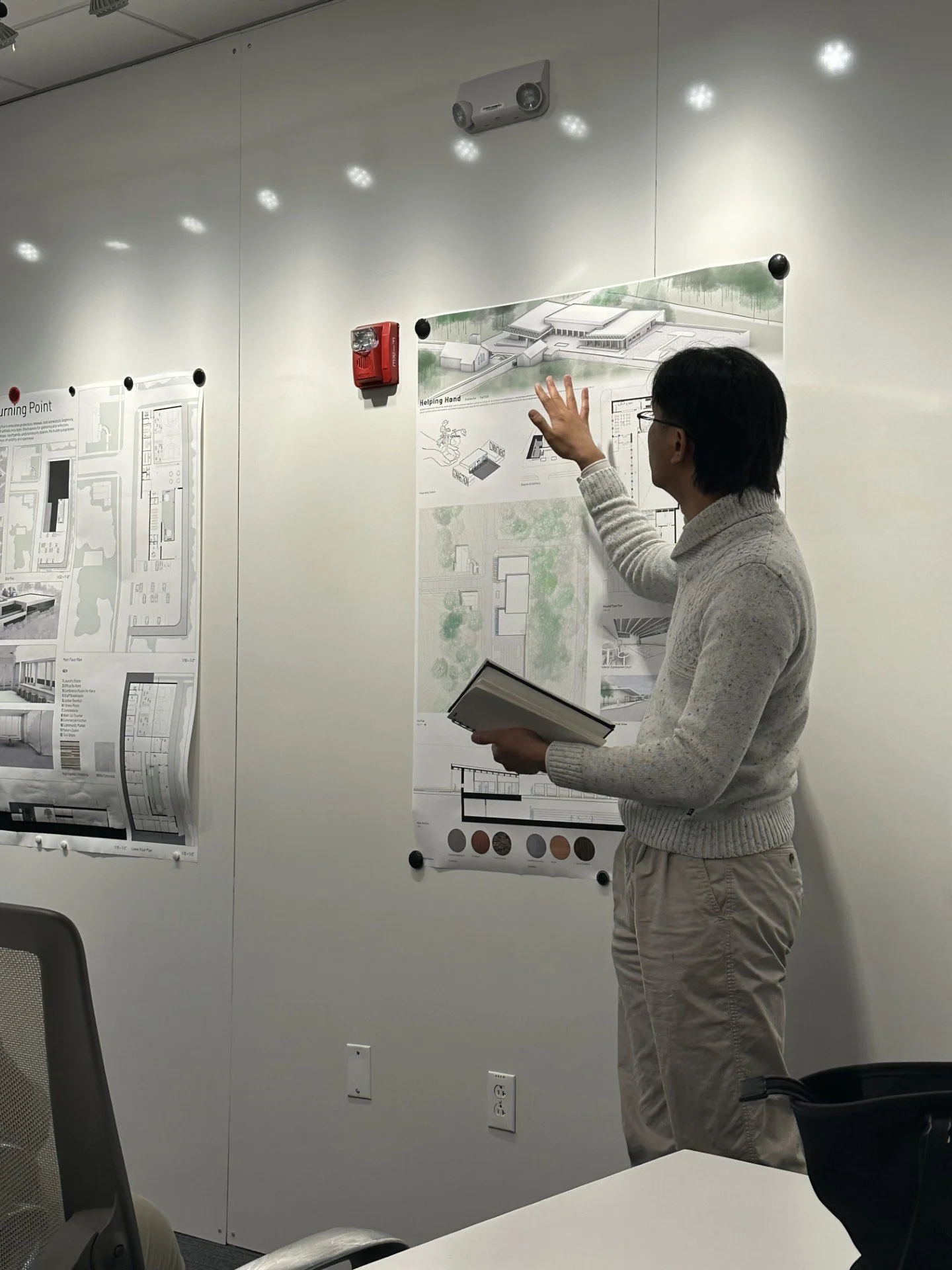
 This Monday, KCDC students presented their mid-semester reviews at Dimensional Innovations (DI), engaging a dynamic audience that included Dunbar community leaders, representatives from the Kansas City nonprofit More2, and fellow design professionals. The event offered students the opportunity to showcase their evolving concepts and receive insightful, constructive feedback from a range of perspectives. The energy in the room was palpable, and we’re eager to see how these ideas continue to develop. Below is a sneak peek at a few projects featuring compelling visuals and innovative design approaches.

During studio, students engaged in a post-presentation debrief to reflect on their core concept statements, analyze feedback, and gain clarity on their final design direction. The session emphasized the integration of architecture and industrial design, encouraging cross-disciplinary dialogue. By sharing insights and perspectives, students were able to enrich each other's projects with diverse approaches and collaborative thinking.

We concluded the week on a high note by hosting a public event with professional networking and a design lecture. We saw a lot of people from all over from Kansas State educators to industry professionals. Guest speaker Andreas Bell, Managing Director of Team Studios in Chicago, shared insights from his experience as a creative director.