Zahner Tour

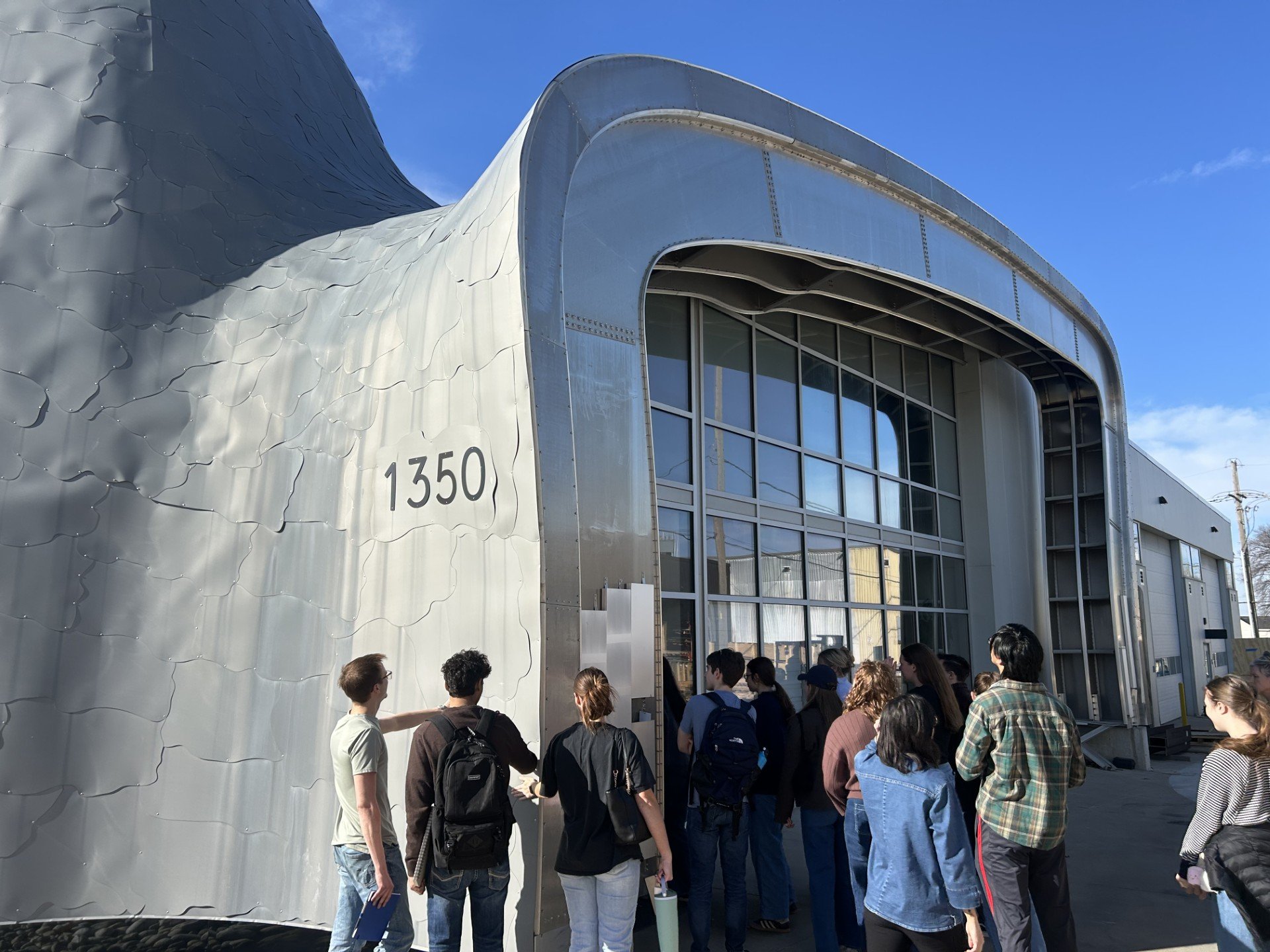
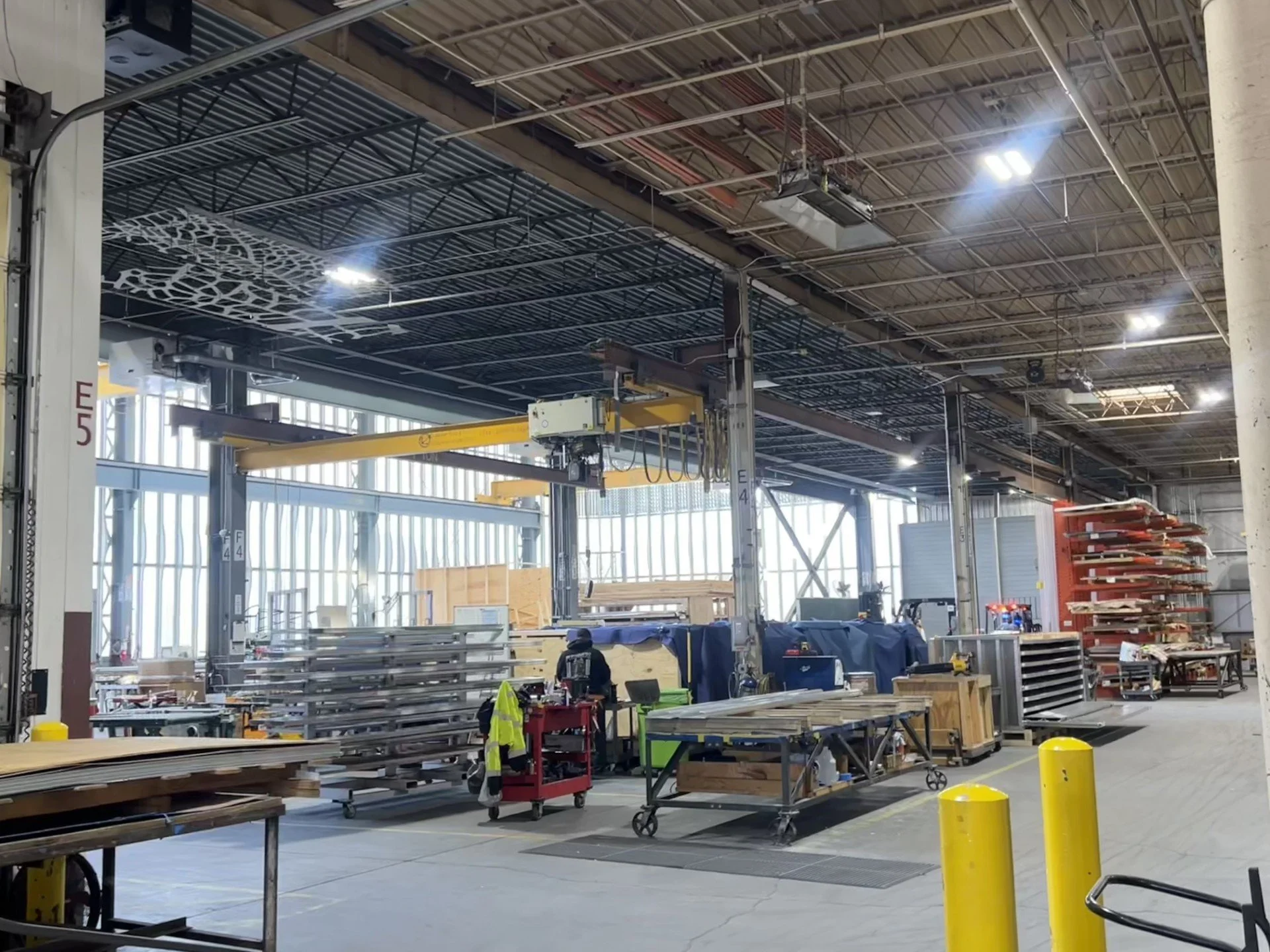
This week, KCDC toured Zahner’s offices and fabrication facilities and broke out into our Greenline segment teams. Zahner is a Kansas City local business that is globally renowned for their innovative custom metalwork. We began the tour outside, where to-scale mockup models are built for clients before a final contract is signed. Their work is displayed throughout the property, inside and outside, at various different scales, patinas, and forms.
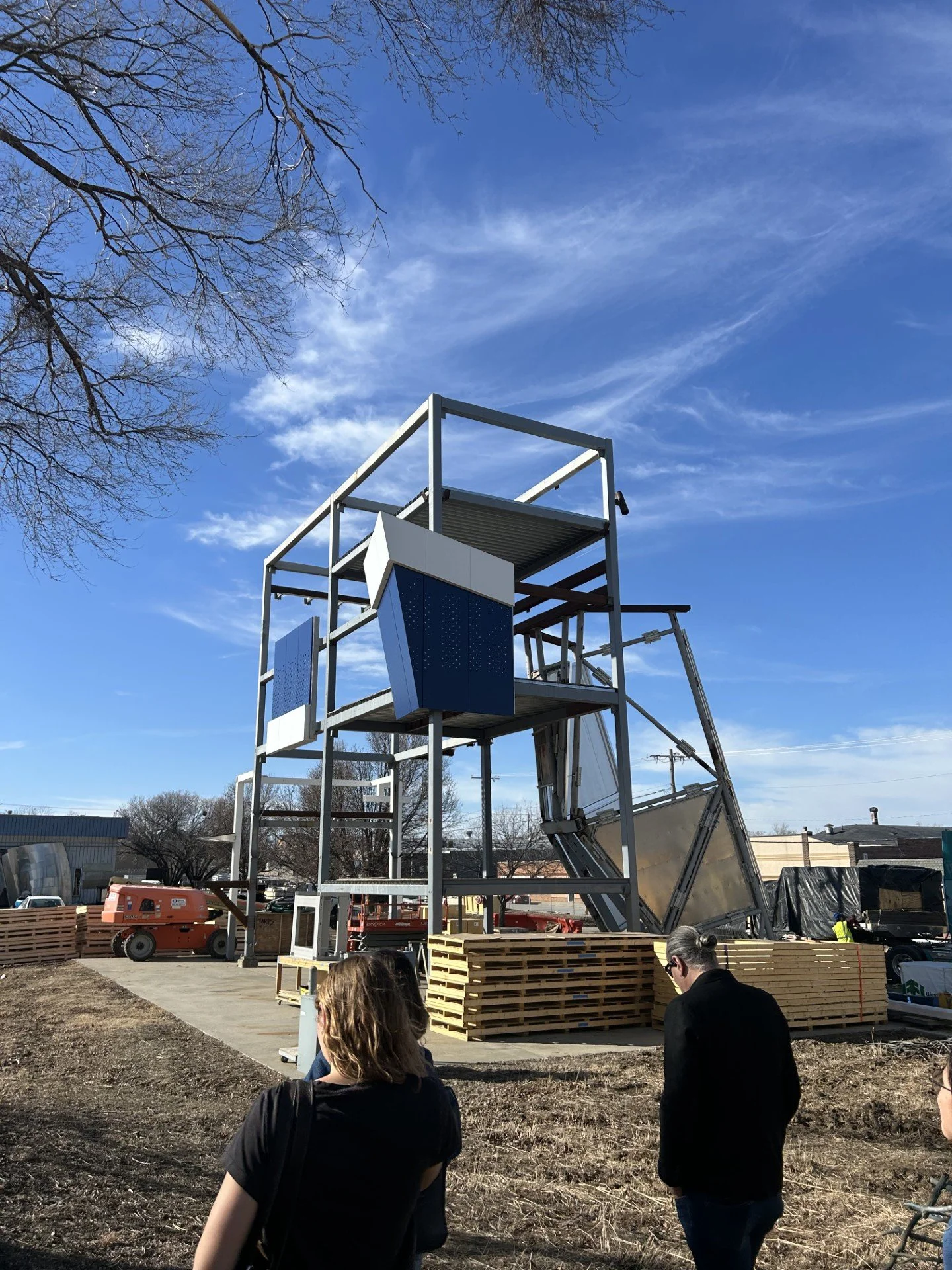
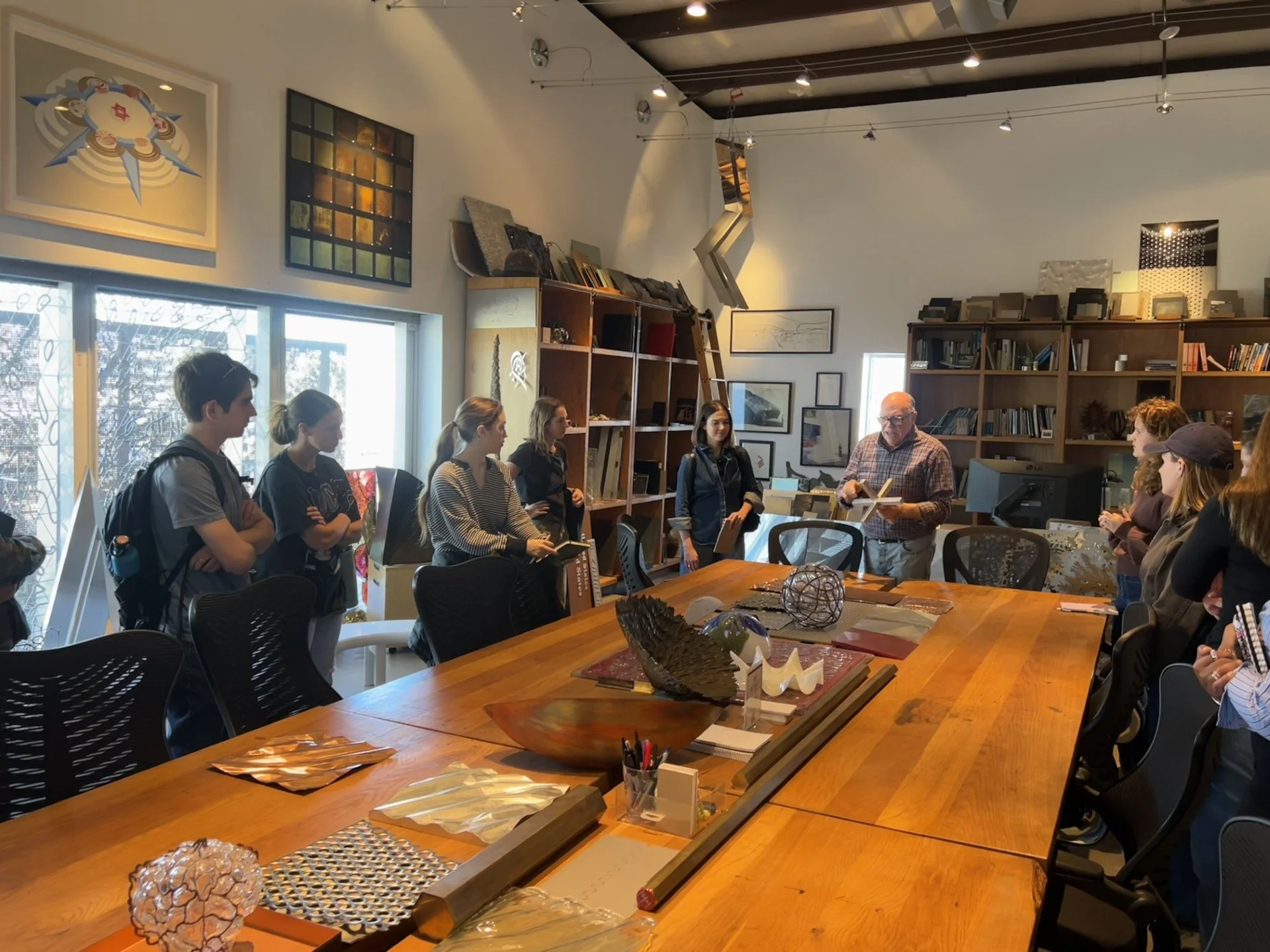
Matthew Sutton, who founded the Industrial design department at Zahner, shared that the company is now able to produce products that can be ordered online because of the creation of this new department. He also explained what the logistics of working with metal are to create site furnishings for the Greenline. Danielle Luyet, a product designer and fabricator at Zahner, shared her interest and design ideas with us for site furnishings that could be implemented in the Greenline. We will hopefully meet with her again soon at KCDC to discuss further.
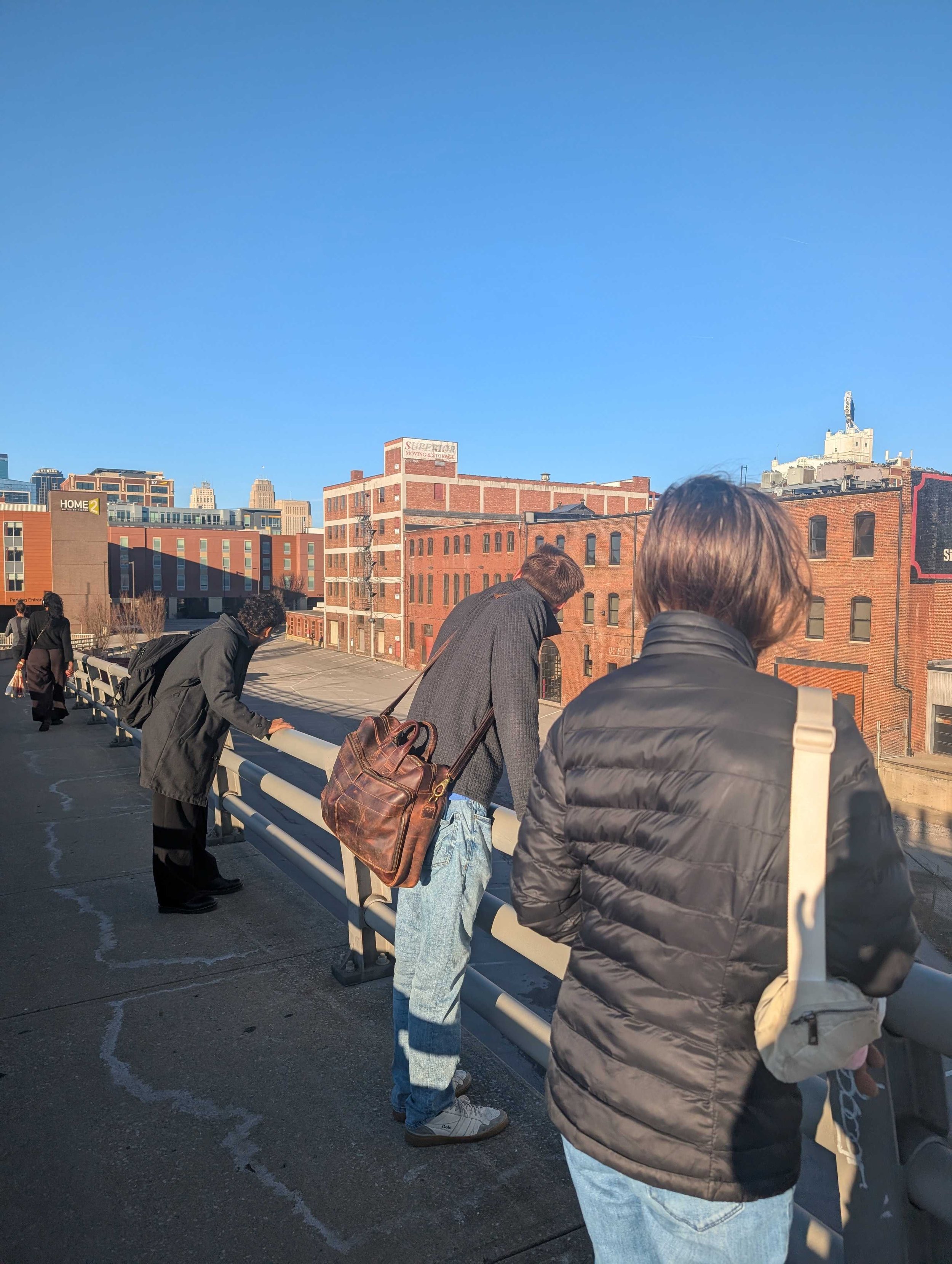
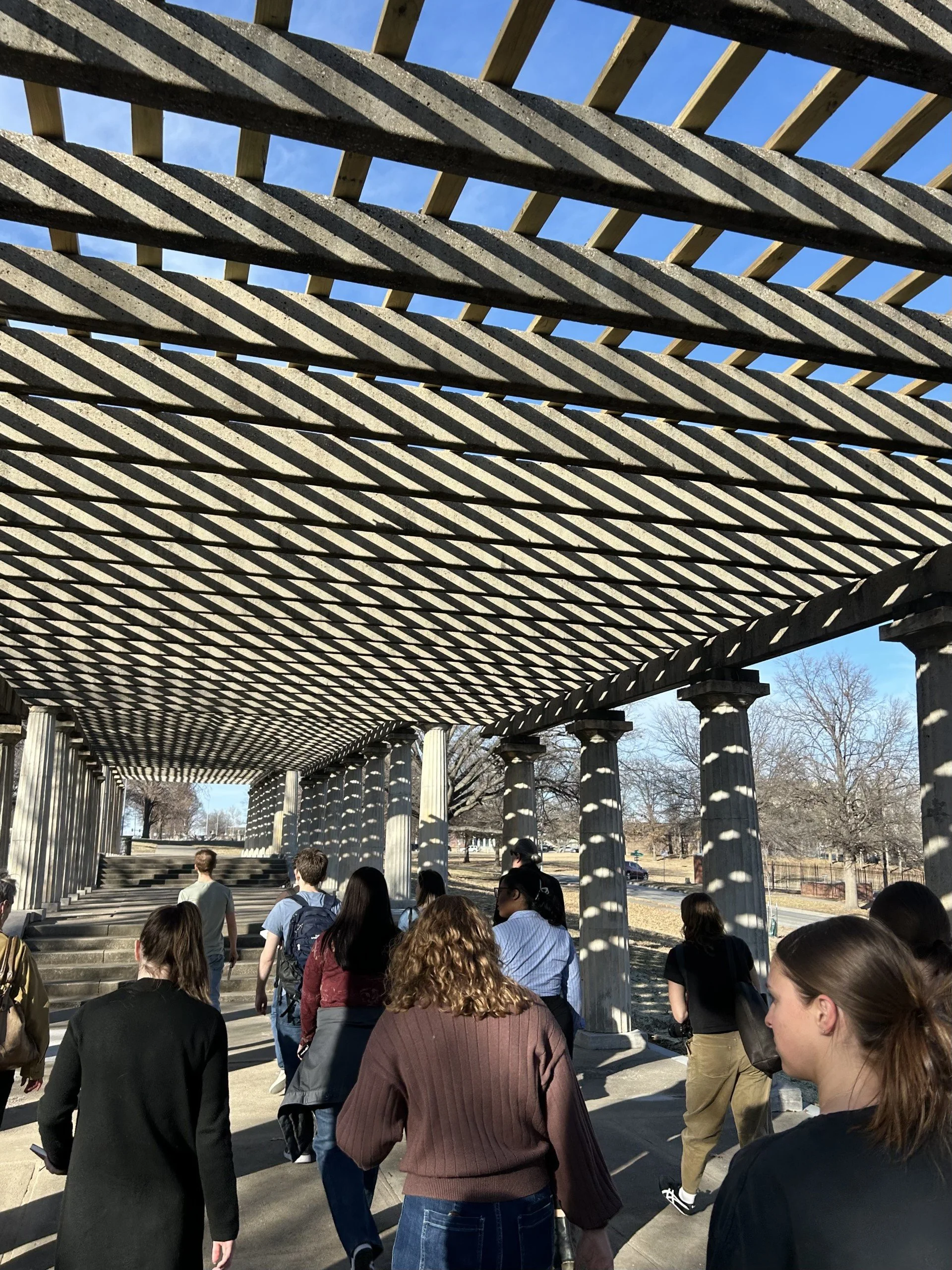
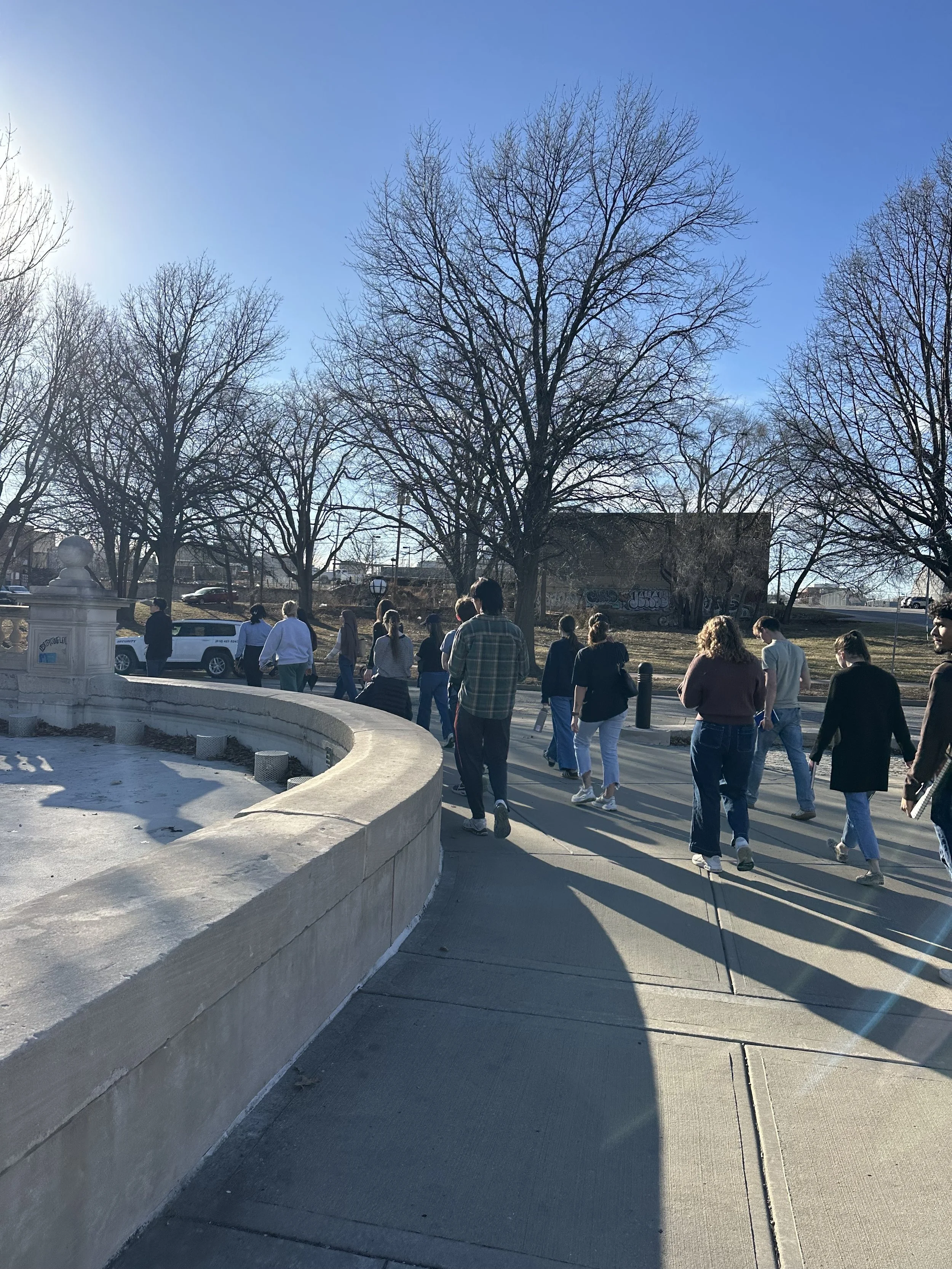
After the Zahner visit, we walked to the east segment of the Greenline on the Paseo. We experienced the lack of accessibility to the greenspace in the middle of the Paseo. Designing a safer pedestrian crosswalk with higher visibility for vehicles will be a vital consideration in the design process for the eastern segment team. The site features beautiful architectural features, such as fountains and a pergola, but it lacks supportive amenities that encourage gathering. This could also be a design opportunity for the eastern segment team. Each segment team will soon be conducting site visits and a site analysis of their specific section of the Greenline.
Written by Ella Figgins, Interior Architecture Student
Research Presentations at BNIM

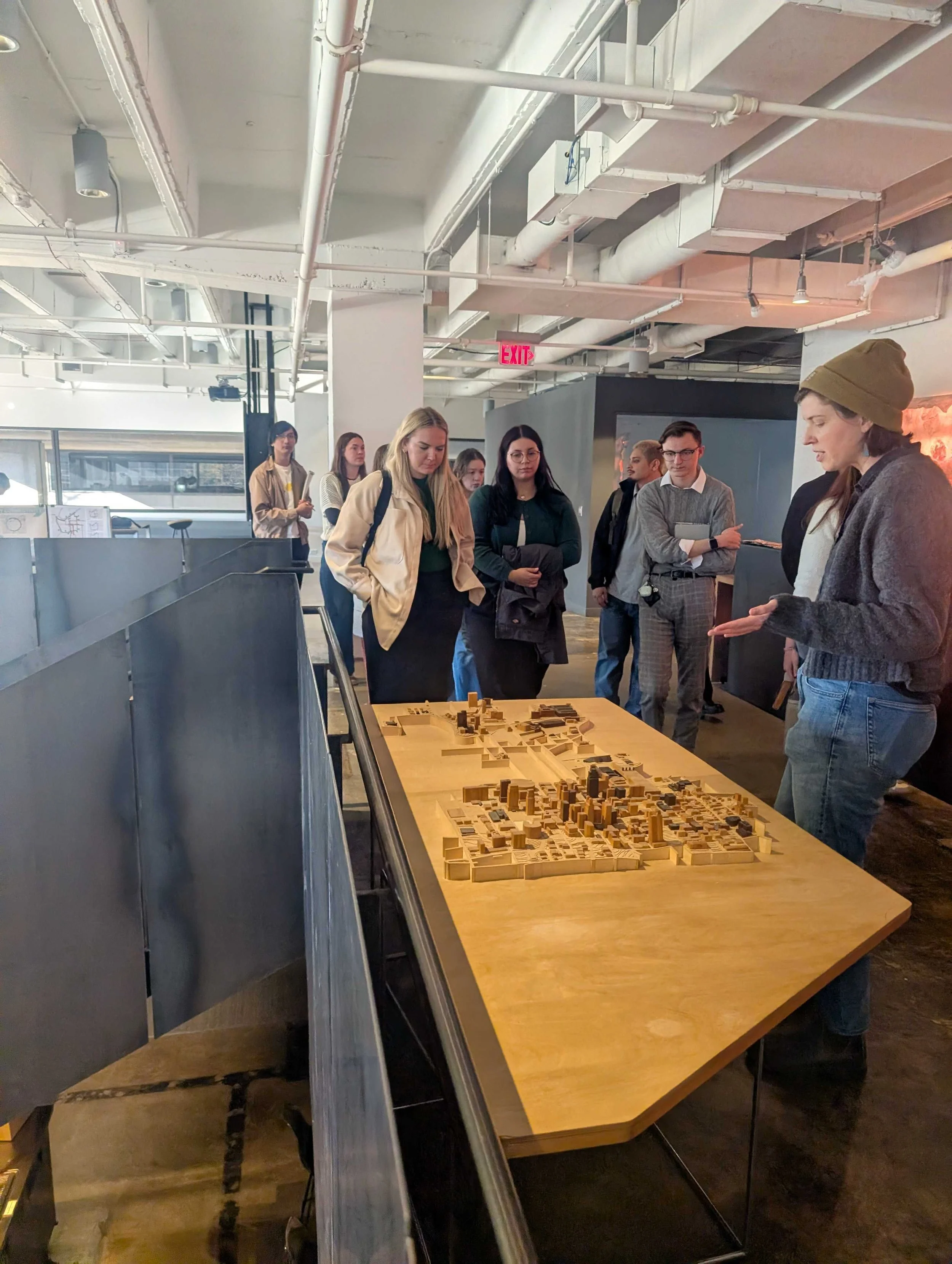
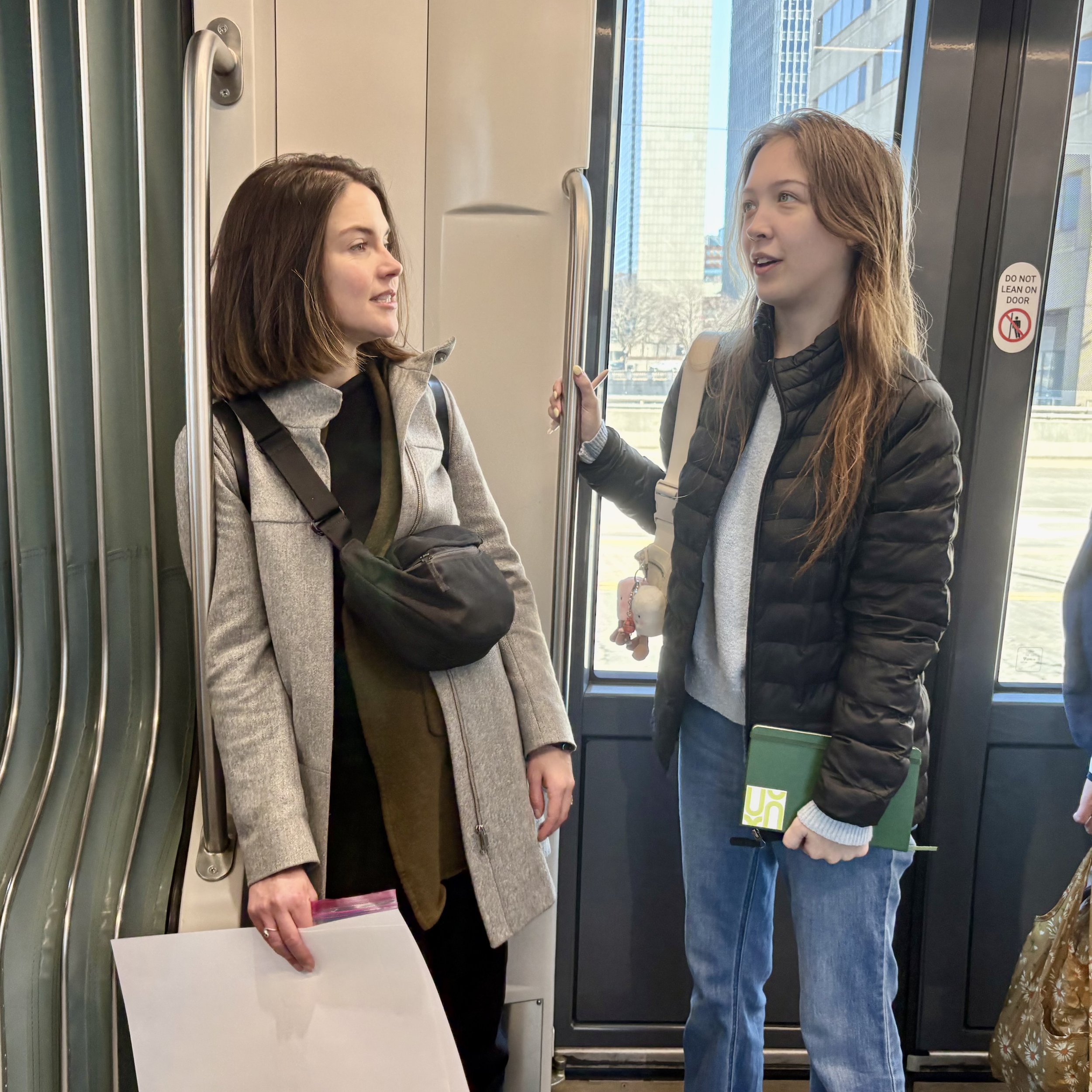
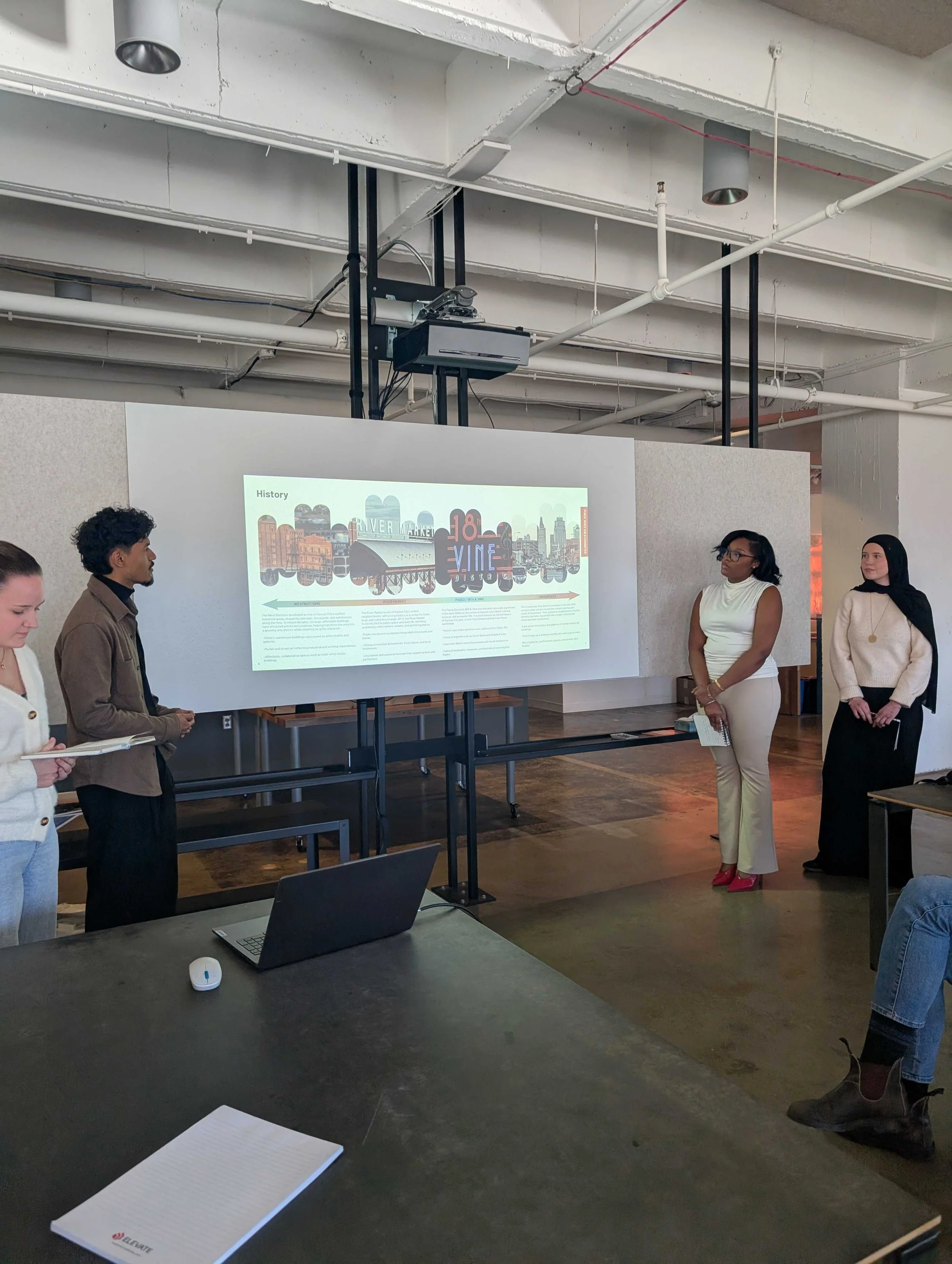
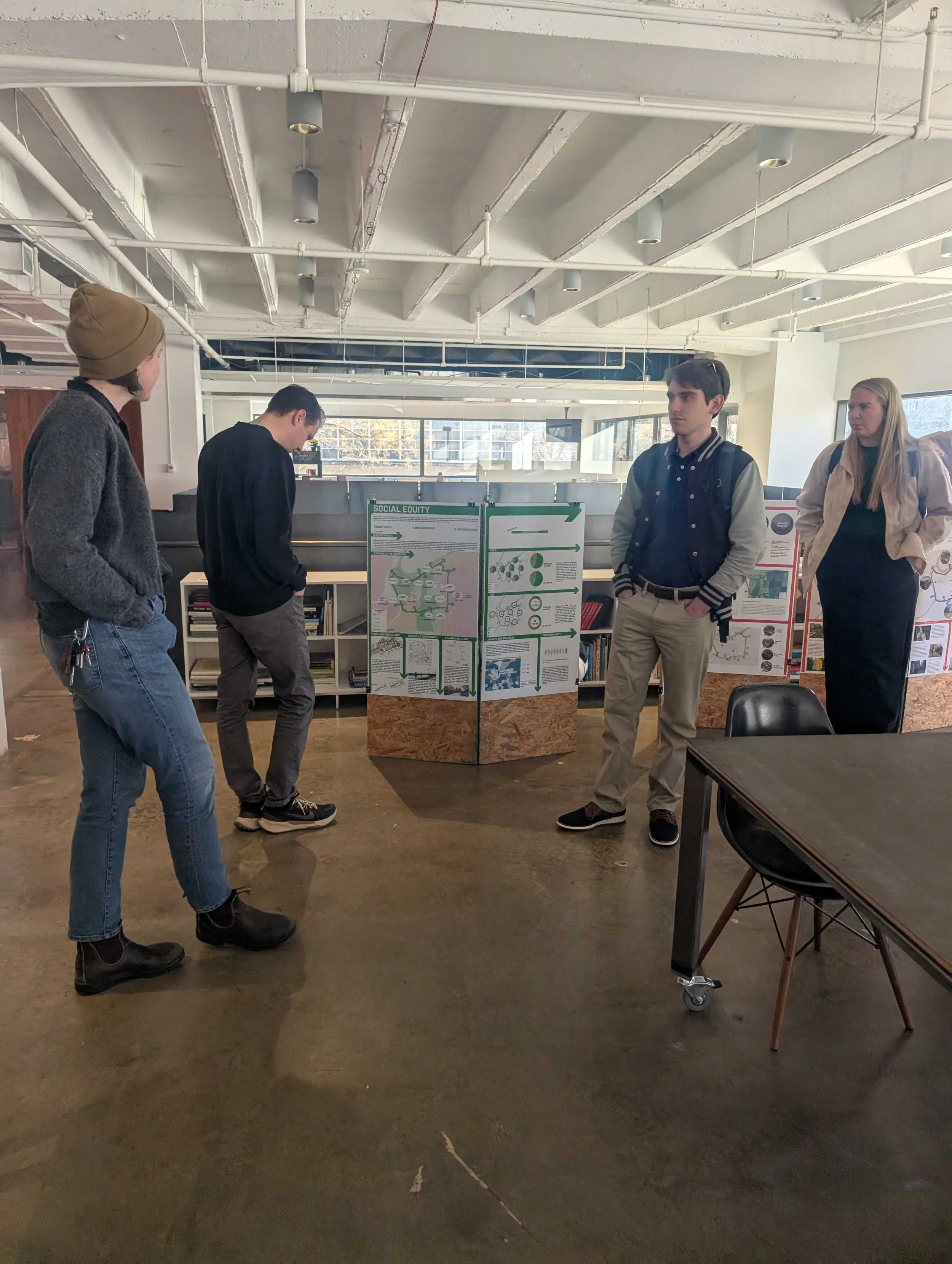
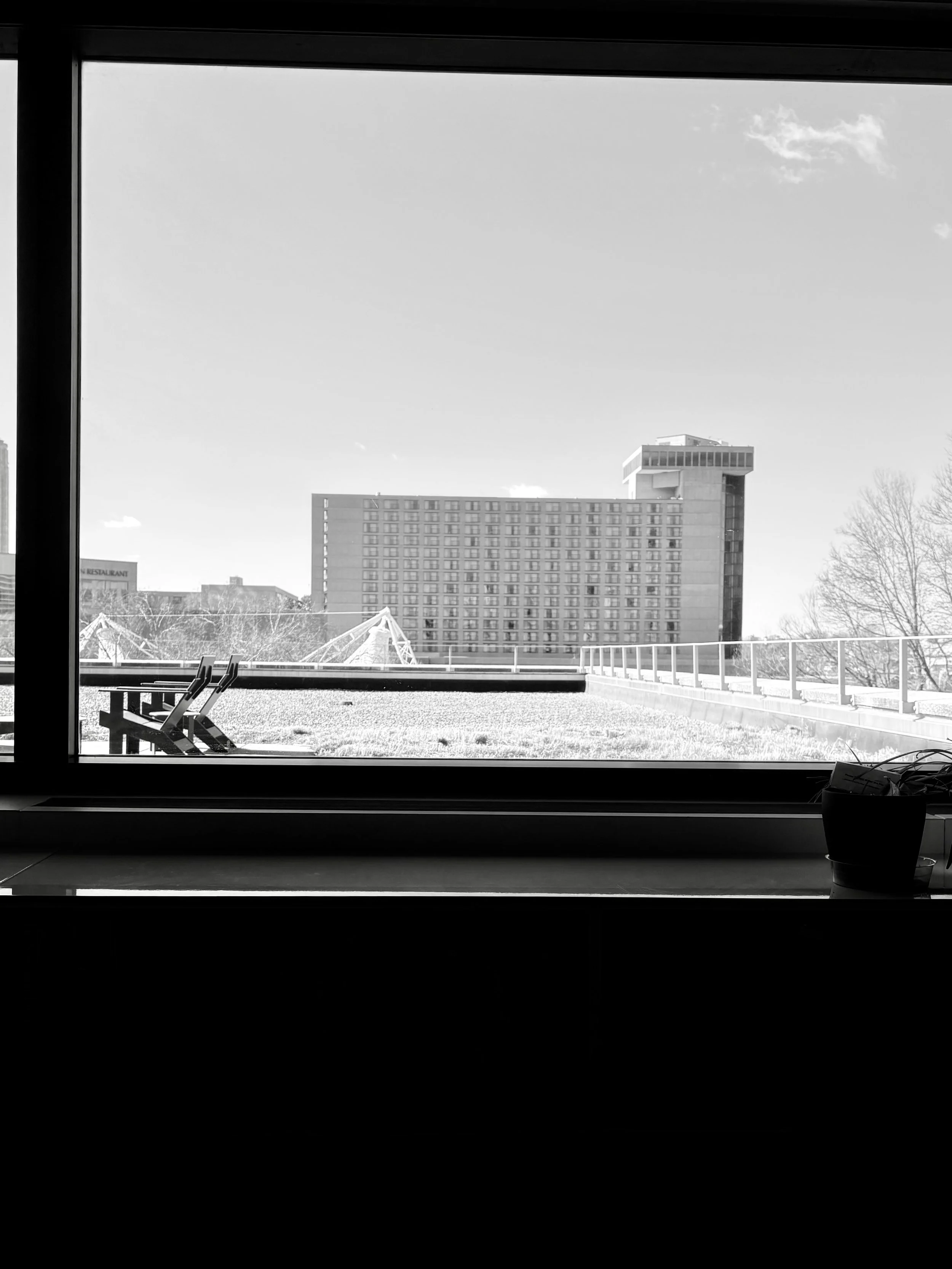
This week, KCDC took the streetcar down to BNIM to present the past few weeks of research that we have done for the Greenline. Architects at BNIM provided great sources for us to better understand climate change in Kansas City and challenges that are specific to our area. This research will inform how we will be designing the Greenline Project, as well as concerns that need to be addressed to make the future a reality.

The total research for the project was split into five different groups: Community Connectivity, Social Equity, Environment and Ecology, Urban and Economic Impact, and Public Space and Characteristics. Community Connectivity would focus on the interactions between the larger transportation networks plus the historic parks and boulevard system. This would inform us how many people travel in Kansas City and the possibilities that we are looking forward to. Social Equity would focus on the social differences between the neighborhoods that make up Downtown KC and what their needs and wants are. Environment and Ecology focused on the current and future environmental impact that Kansas City has. Important things that they are asked to consider is the importance of water drainage and migratory species. Urban and Economic Impact would look into the gentrification that has and could occur within Kansas City. Additionally, taking on the question of reversing historic redlines. Public Space and Characteristics would study the common use of buildings and noteworthy aspects of our city.

With this information, we will be moving into the initial design phase and making use of our research. We are splitting into four teams based on segments of the Greenline, with groups focused on the North, East, South, and West segments to address the distinct alignment opportunities and challenges within each area.

Written by Brady Smith, Architecture Student

"We've Built Cities We Can't Afford" Seminar with Dennis Strait

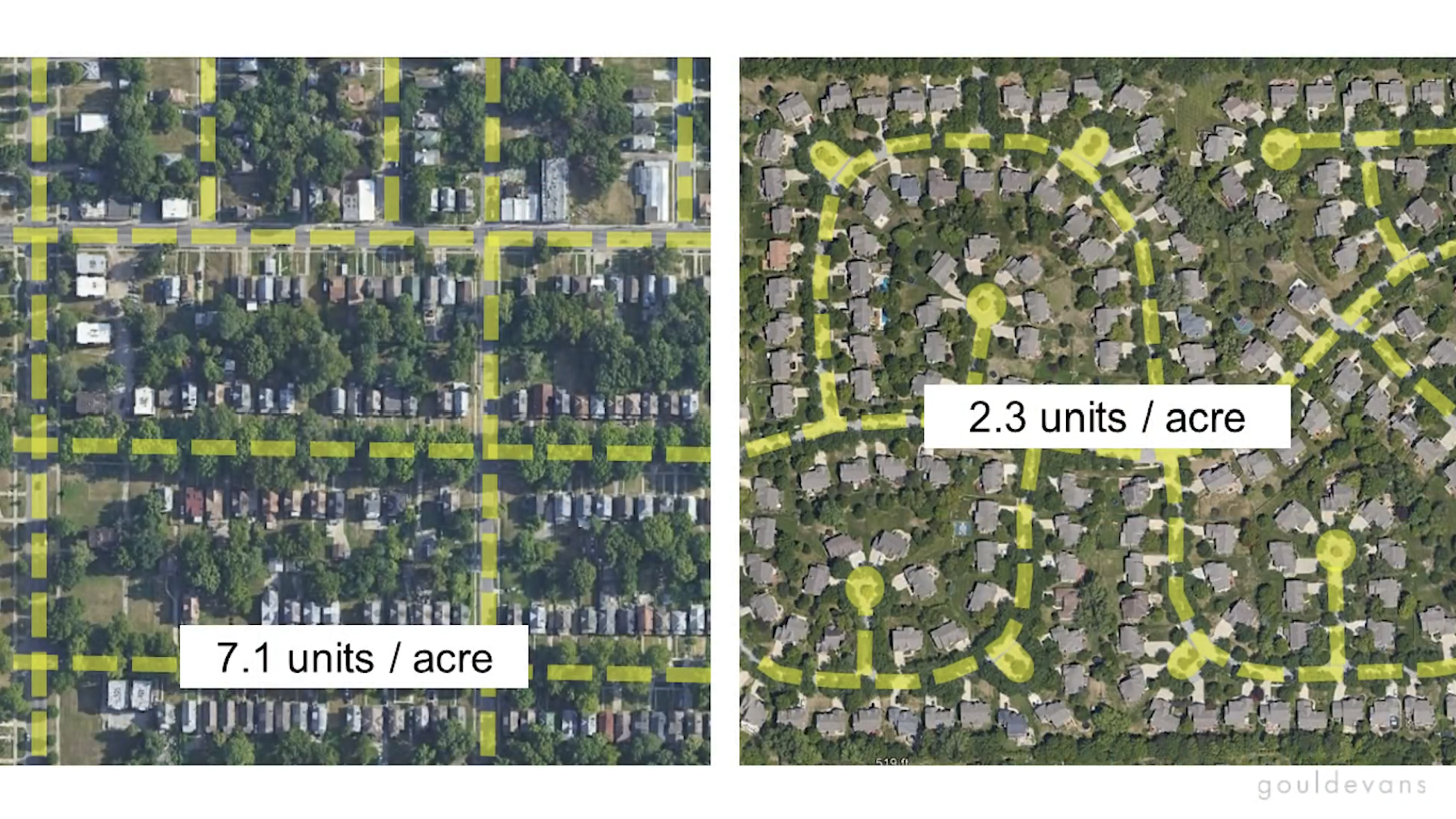
How we approach the development of our cities has the potential to benefit every resident that lives there, or it can lead to slow deterioration. This week, our studio was privileged to hear "We've Built Cities We Can't Afford" presented by Principal Emeritus Dennis Strait of Multistudio, which fundamentally challenges how we view development in Kansas City. Our city’s physical footprint has quadrupled since the 1950s, while our population in that area has remained flat. This has left us with massive infrastructure liabilities, over 6,500 miles of streets, that our current tax base simply can’t maintain. Data reveals that our older, pre-1950s neighborhoods (often mixed-use and higher density) are far more financially productive for the city than the sprawling, high-value suburban developments, which typically cost more in long-term infrastructure maintenance than they generate in tax revenue from day 1.

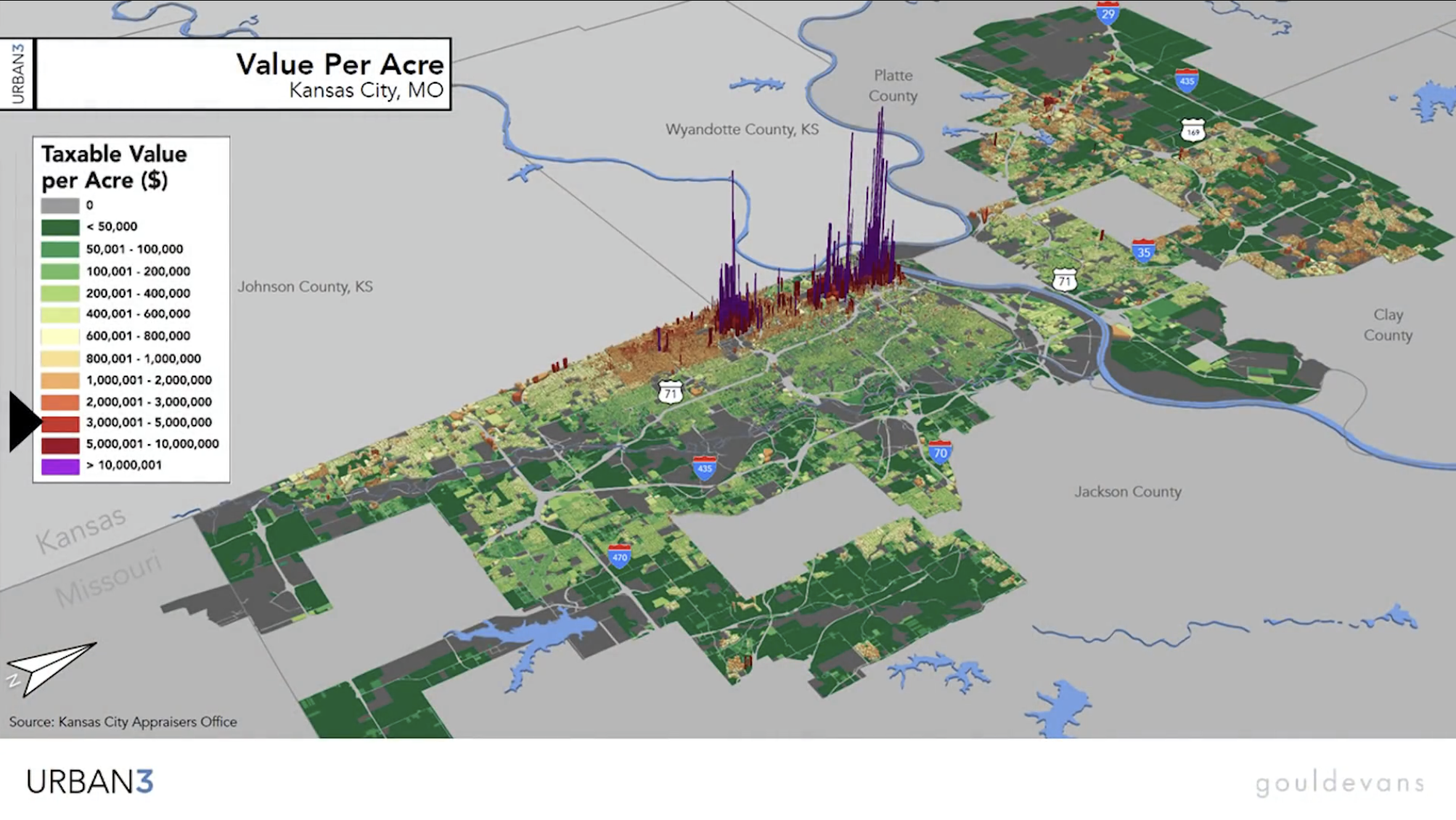
Multistudio, along with urban development firm Urban3, has worked to create value per acre maps, which visualize these economic disparities in an easy-to-understand graphic. By shifting our focus from value per parcel to value per acre, we can better identify opportunities for infill development and mixed-housing types (like duplexes and fourplexes) that utilize existing infrastructure. Currently, we continue to develop suburbs on the outskirts of the metro area that require more of every infrastructure type to support new residents, all while not having enough density to financially support themselves from day 1.

There is an urgent need to repopulate and reinvest in our city’s core, specifically Downtown and the East Side, to correct our financial imbalance over the next 30 years. Strait notes that while downtown represents the most "productive soil" in our region, our current tax code often incentivizes low value uses like surface parking lots rather than productive density. To solve our infrastructure crisis, we must shift focus away from building new roads on the edges and instead prioritize repopulating these central neighborhoods where infrastructure already exists. Ultimately, achieving a financially resilient Kansas City isn't just about math. It will require a shift toward cultivating our existing neighborhoods, rather than avoiding them. This means valuing the efficiency of our core, healing historic divides on the East Side, and choosing sustainable density over endless expansion.

Written by Alex Smith, Architecture Student